Category: Dye Plants

28 Oct

Dahlia dyed Silks

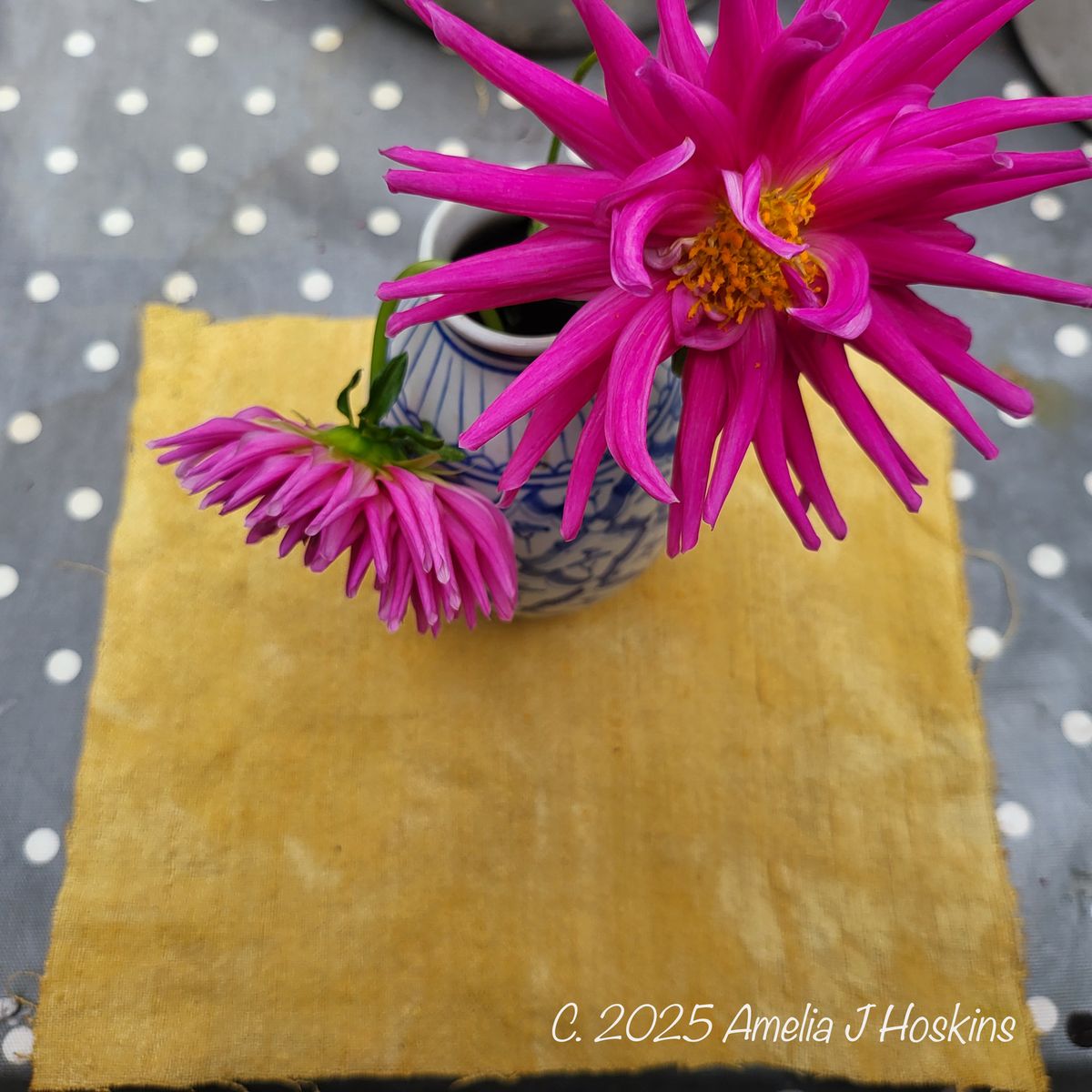
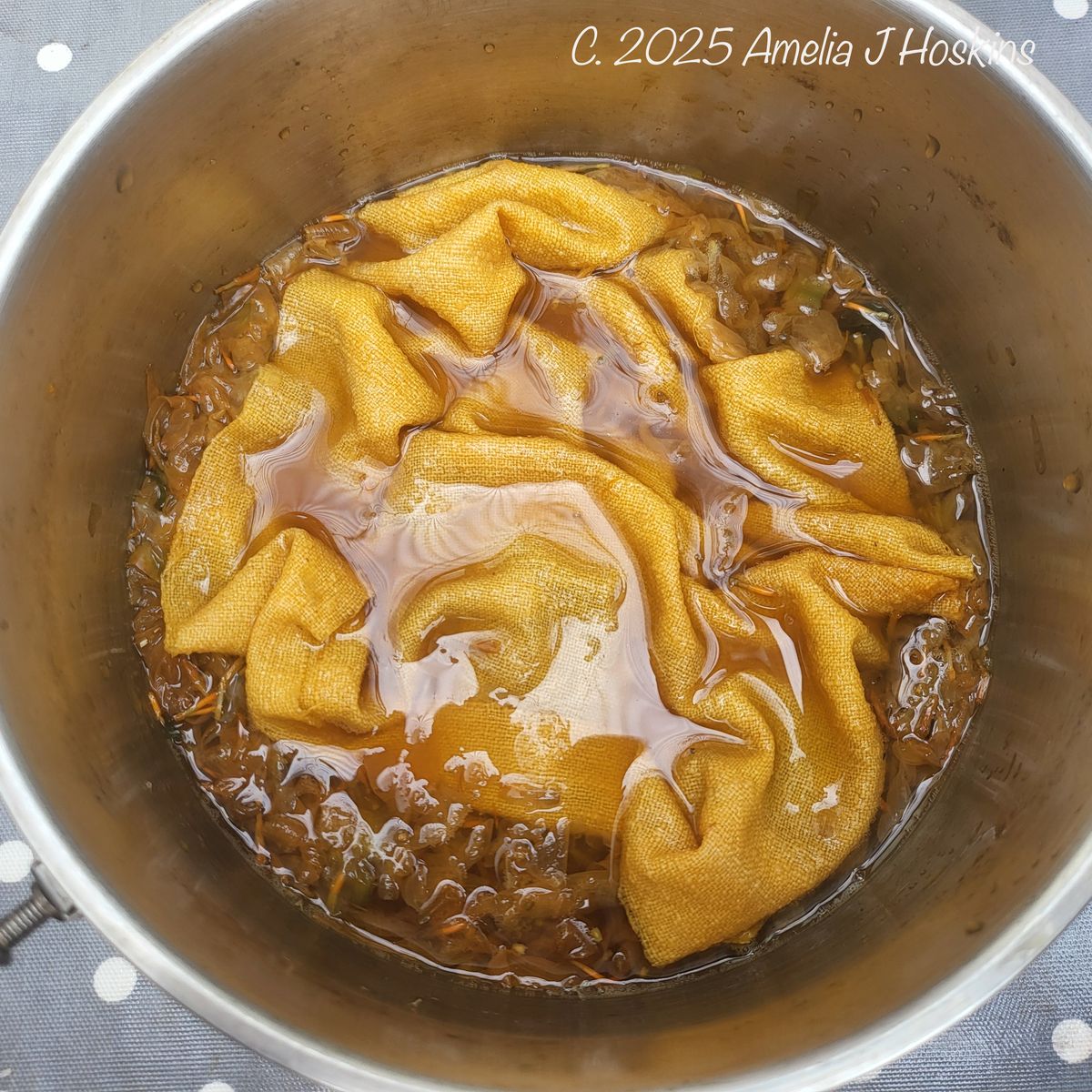
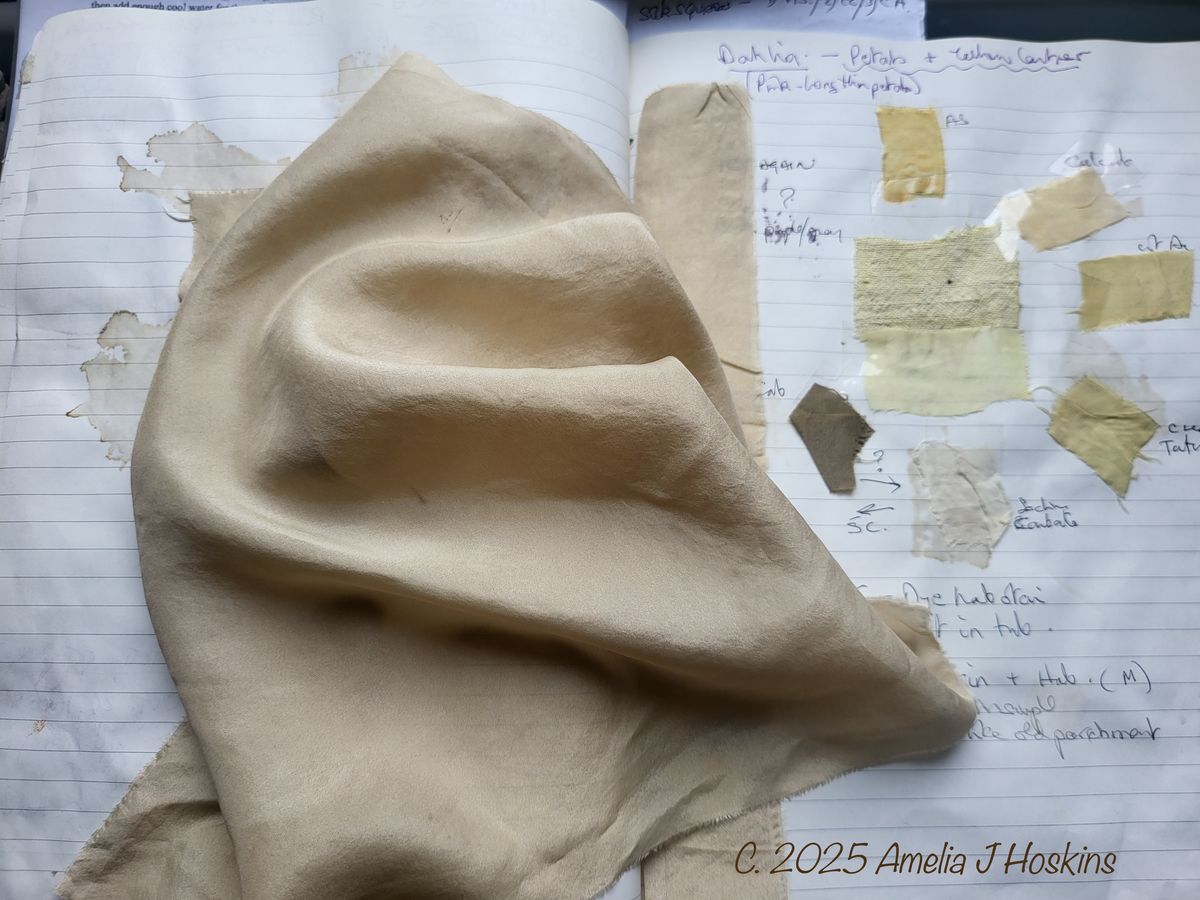
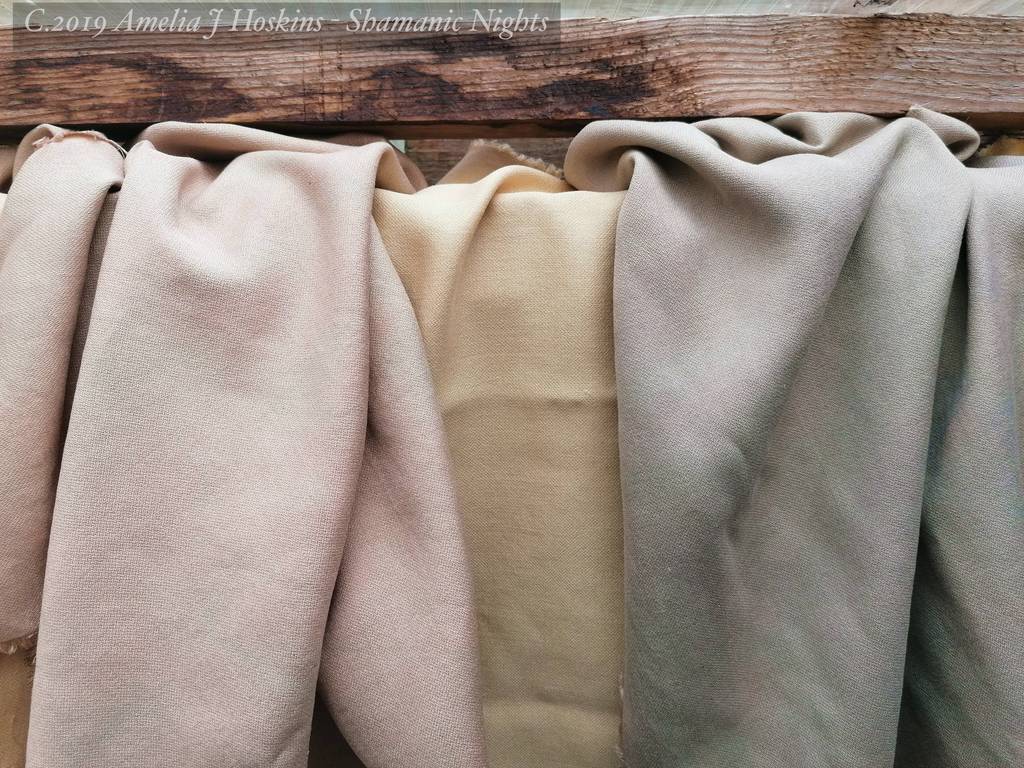
DAHLIA - Yellow Dyed Silk

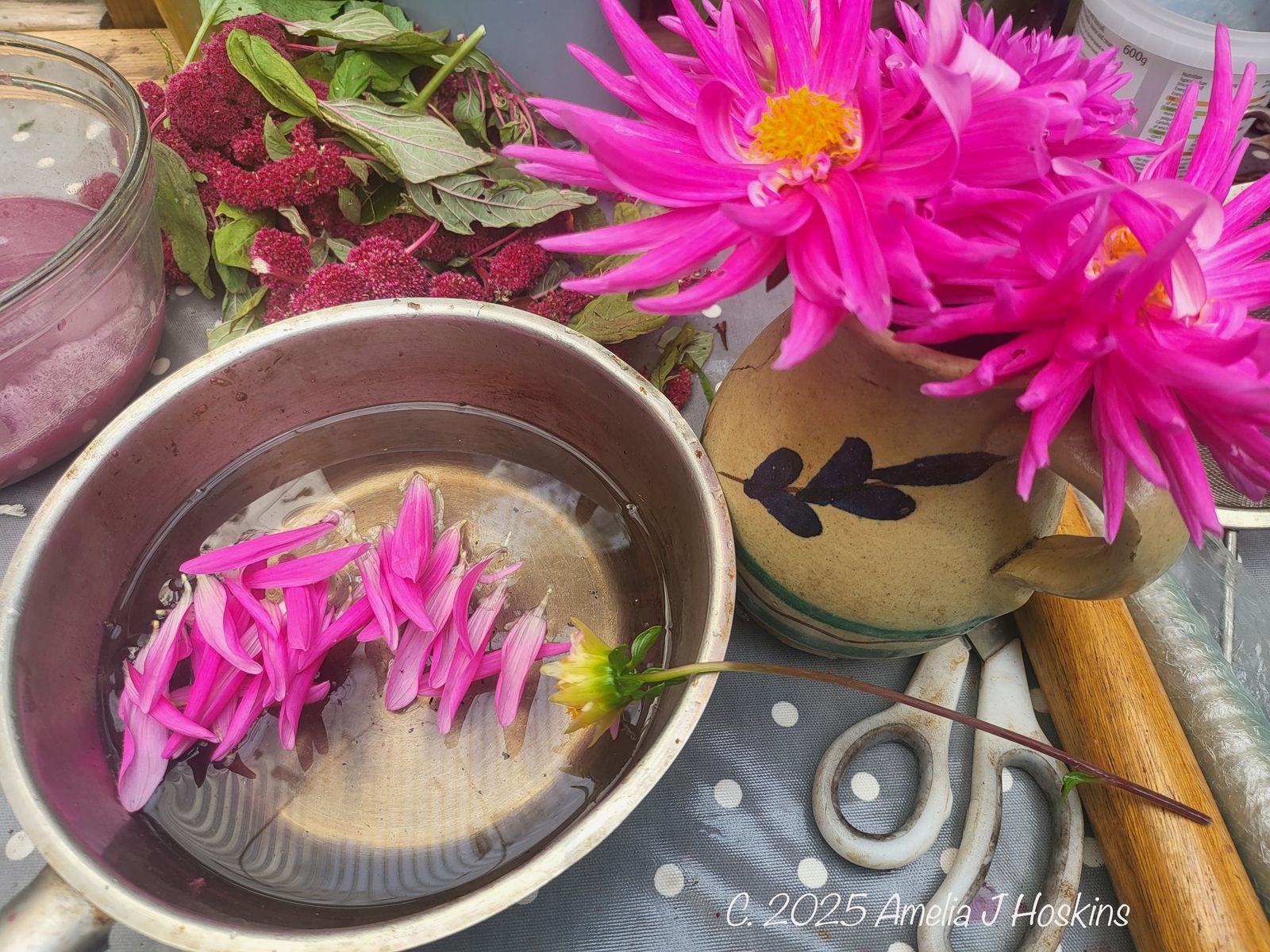
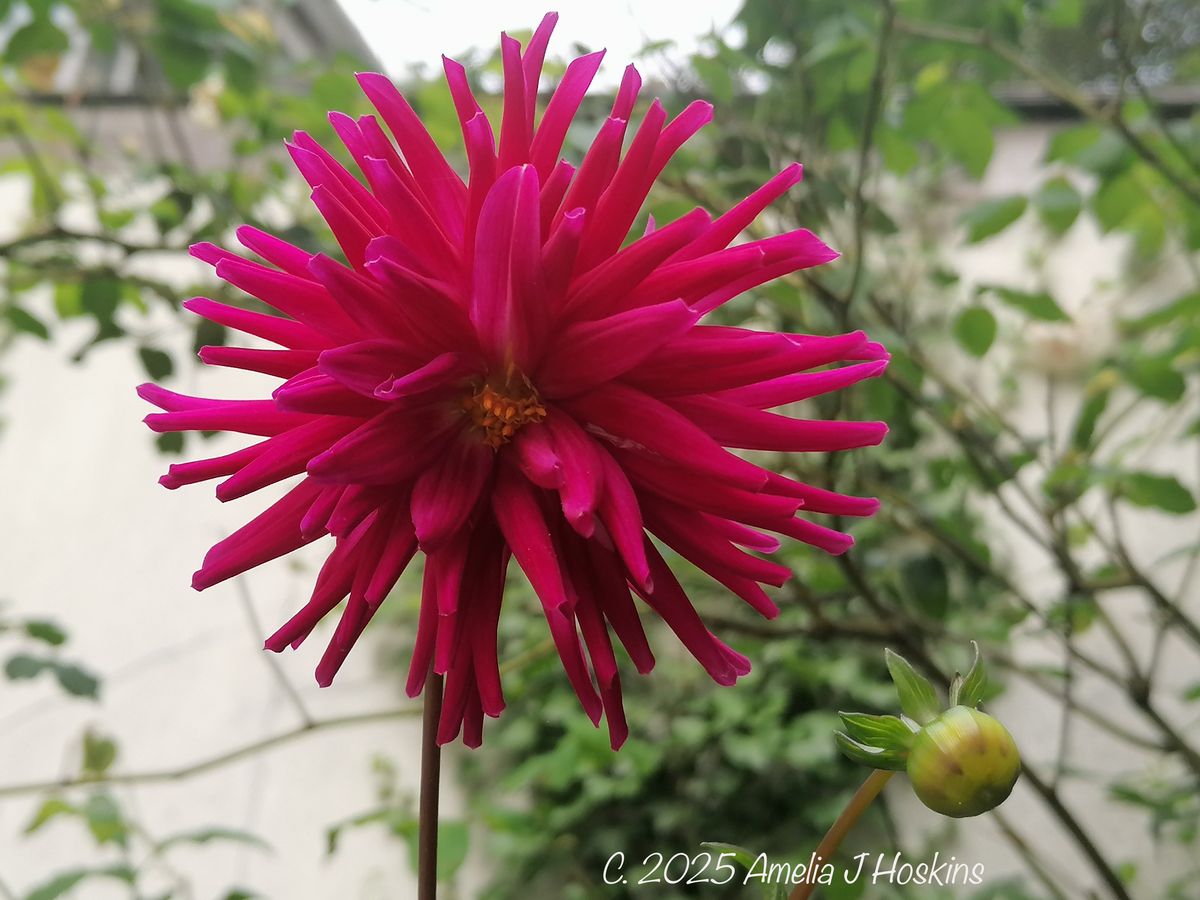
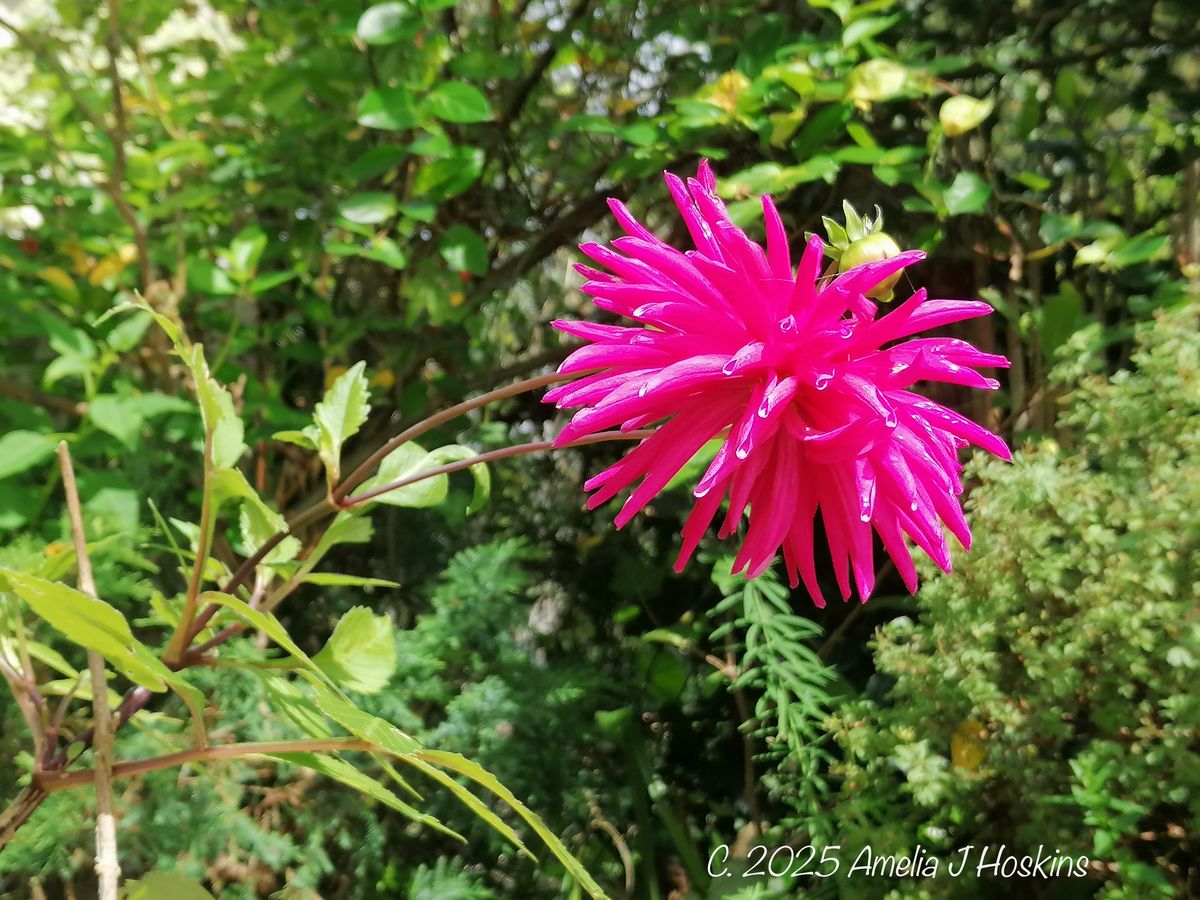
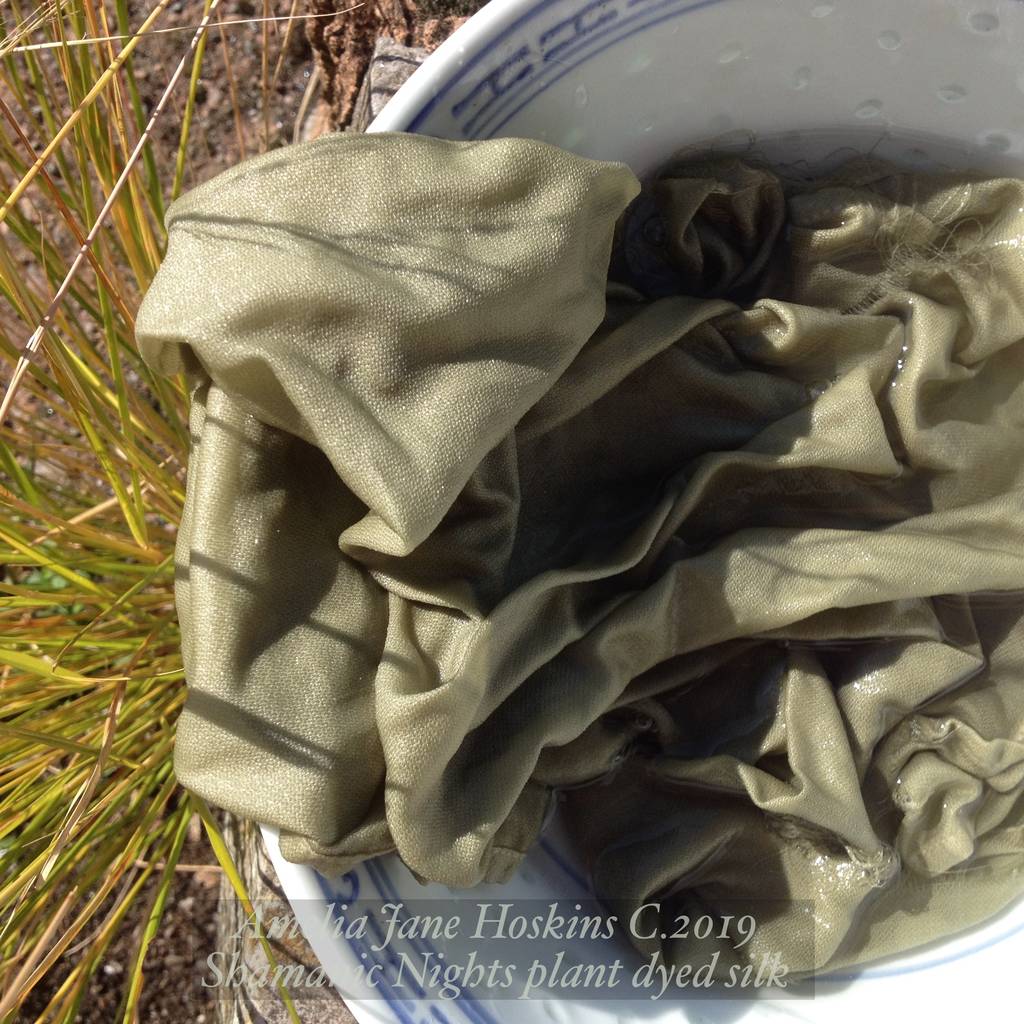
I thought dahlias would give pink, but NO, golden yellow.  Petals are soaked firstly for days, then heated gently, before adding silk. The yellow flower centre gives the strong yellow dye on Erin Silk, and a duller warm yellow on Habotai Silk.

Pink dahlias to make a bath

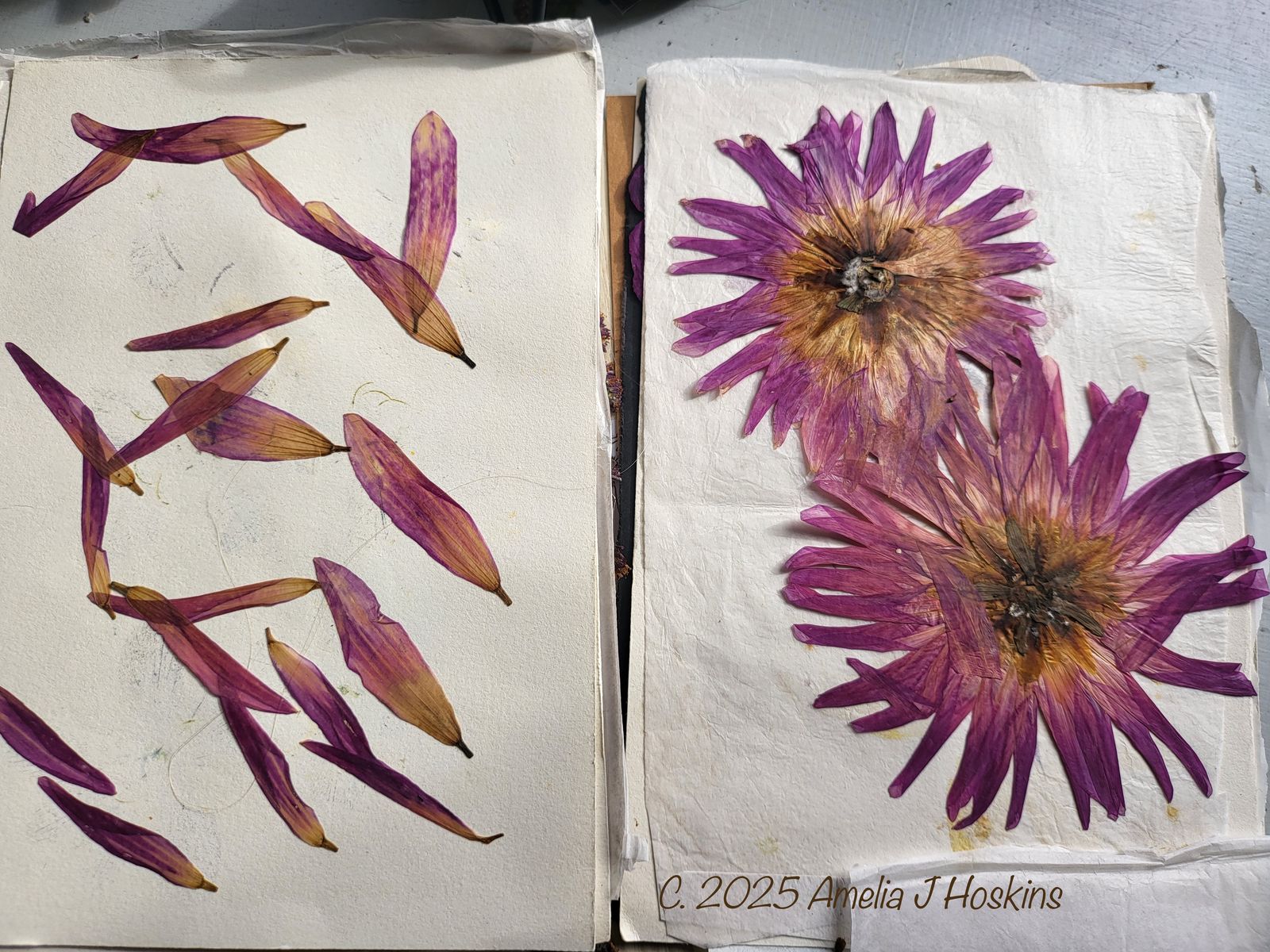
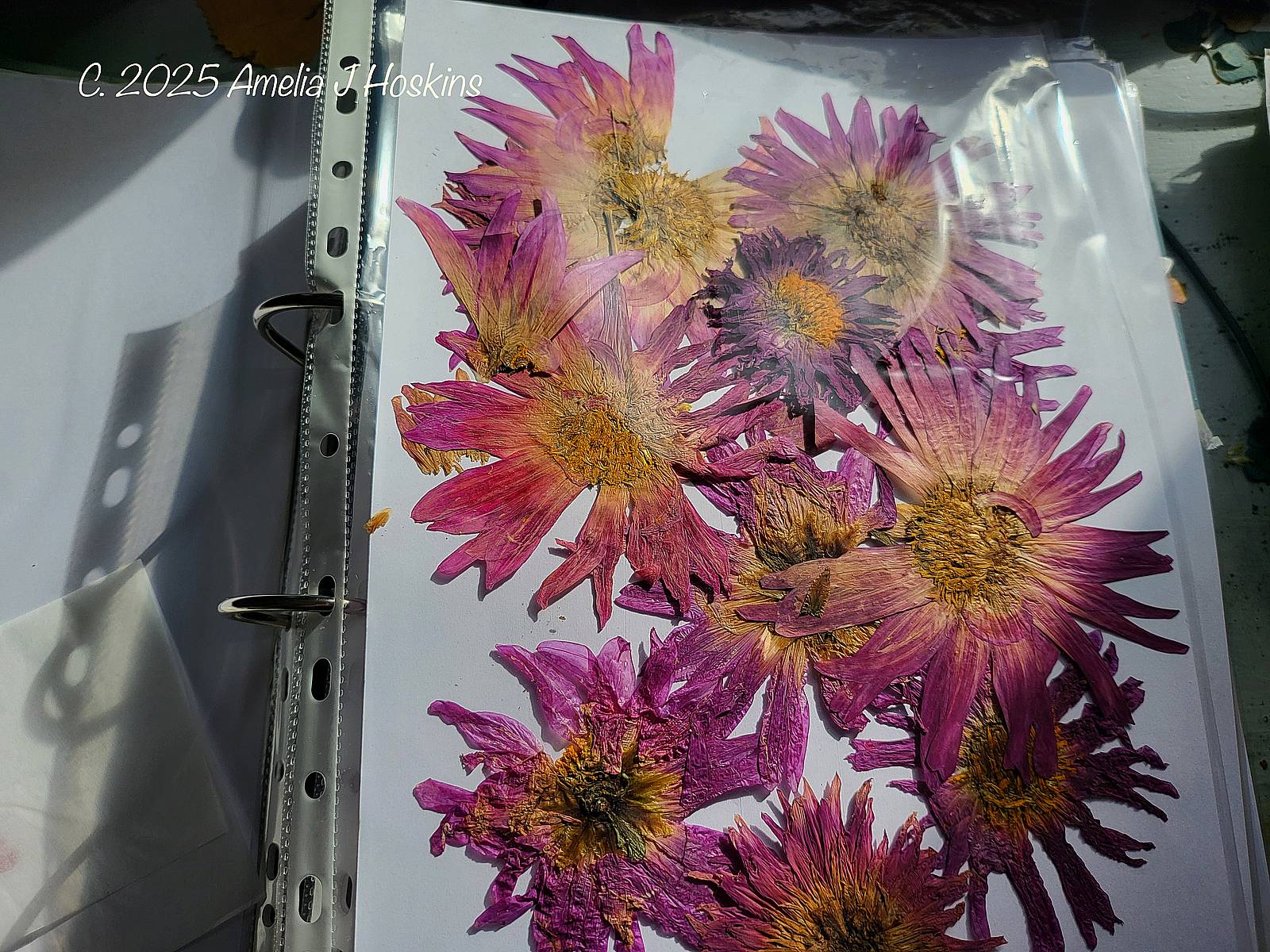
Dahlias being press dried

Quite a lot of dahlia flowers saved, pressed: worth trying some in bundle dyes.  [To do...]
28 Oct

Blackberry dyed Silks

Blackberries - Purples - Pinks

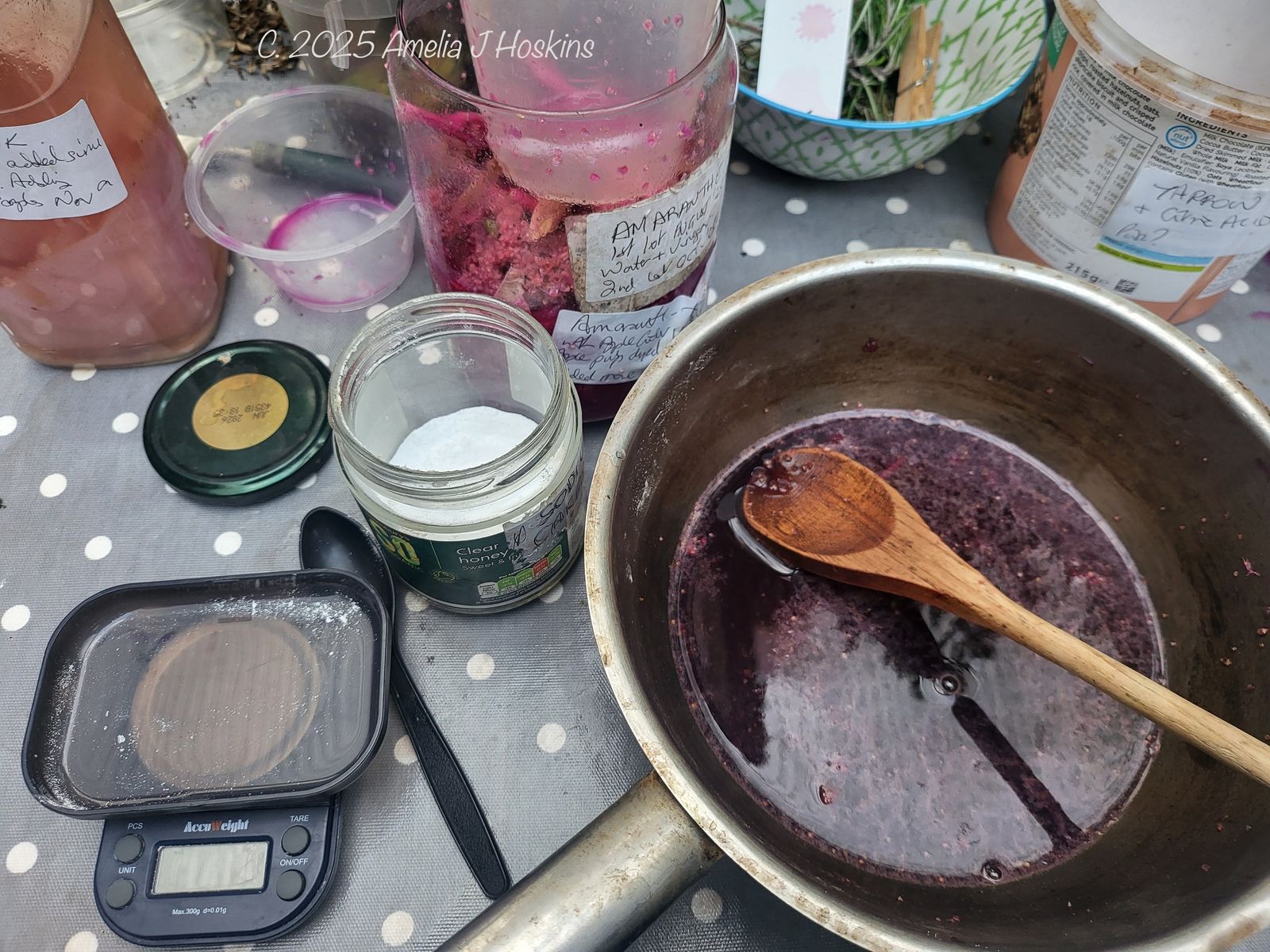
Berries are soaked overnight, then heated, simmered,  Samples with modifiers are first created in palette, to determine alternative colours.  Silks Erin (peace silk) and Habotai silk were soaked in blackberry dye bath when cooled to warm; with modifier. Silk is placed in dye bath then left for 24 - 48 hours.  Dye bath is saved in jar to use later; also to add to other colours to tip a shade.
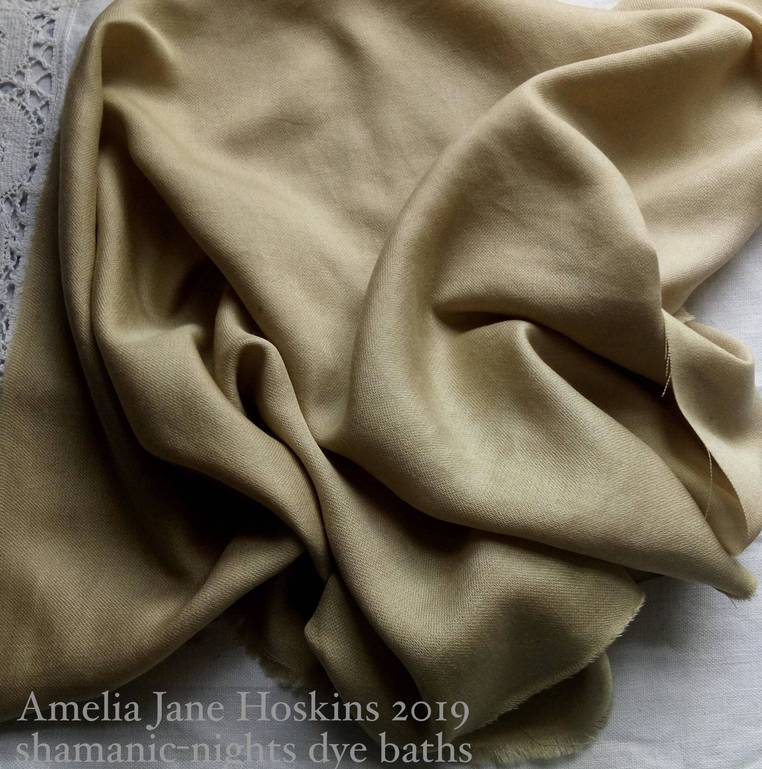
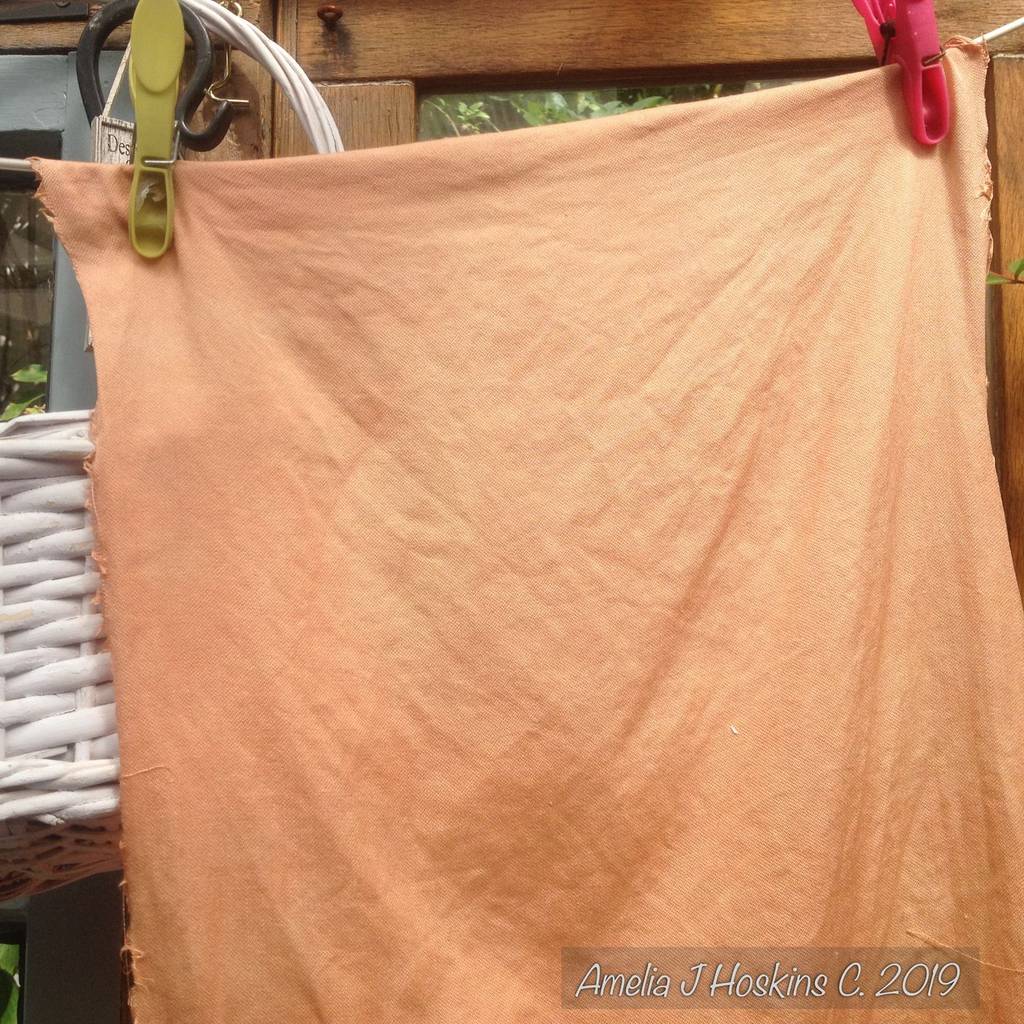
Silk was pre mordanted in Alum Sulphate which would have given a more purple result, but just a few Slo Berries were also in the mix, which influenced the result to be more pink; in fact similar to neutral without modifiers.  (Subsequent Slo berry dyed silks showed how deep pink Slo dye is)

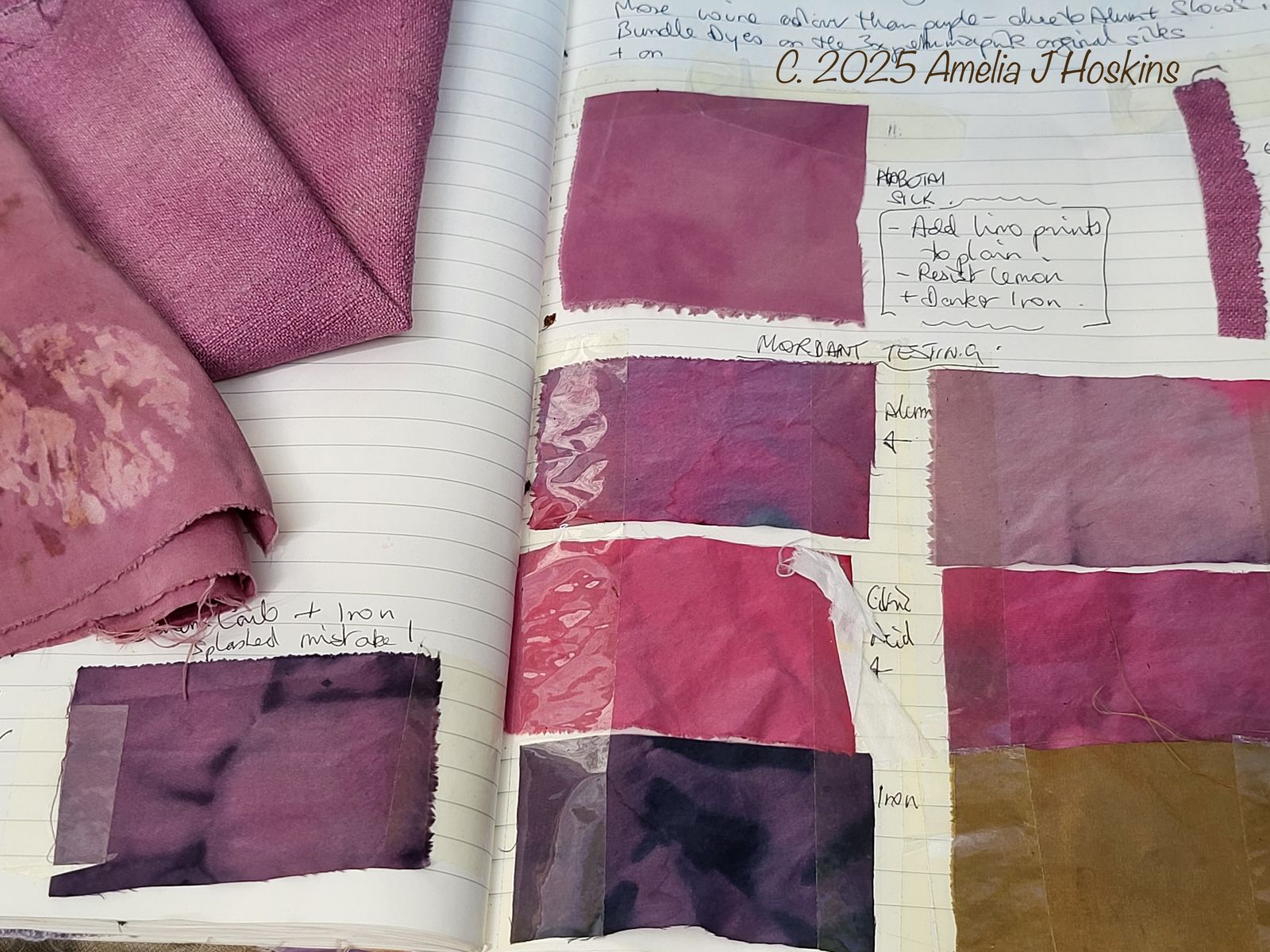
Range of colour tones with different modifiers.

  • Aluminium sulphate
  • Calcium Carbonate
  • Citric Acid
  • Cream of Tartar
  • Sodium Bicarbonate
  • Ferrous Sulphate

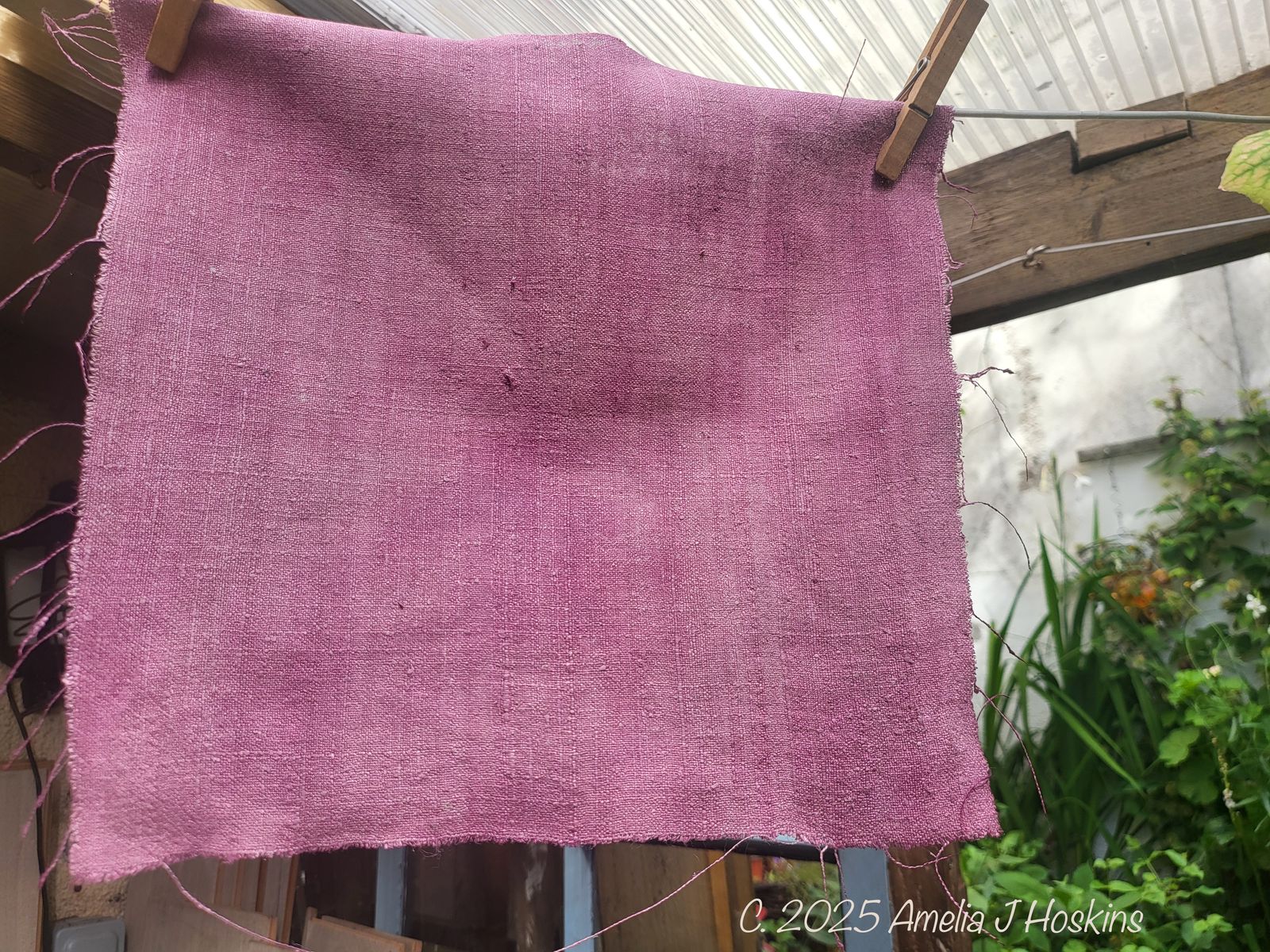
Erin Silk Result

Erin silk (peace silk, worm is not harmed) took the dye very well.

Slight variations in tone reflected by the slub nature of the weave.


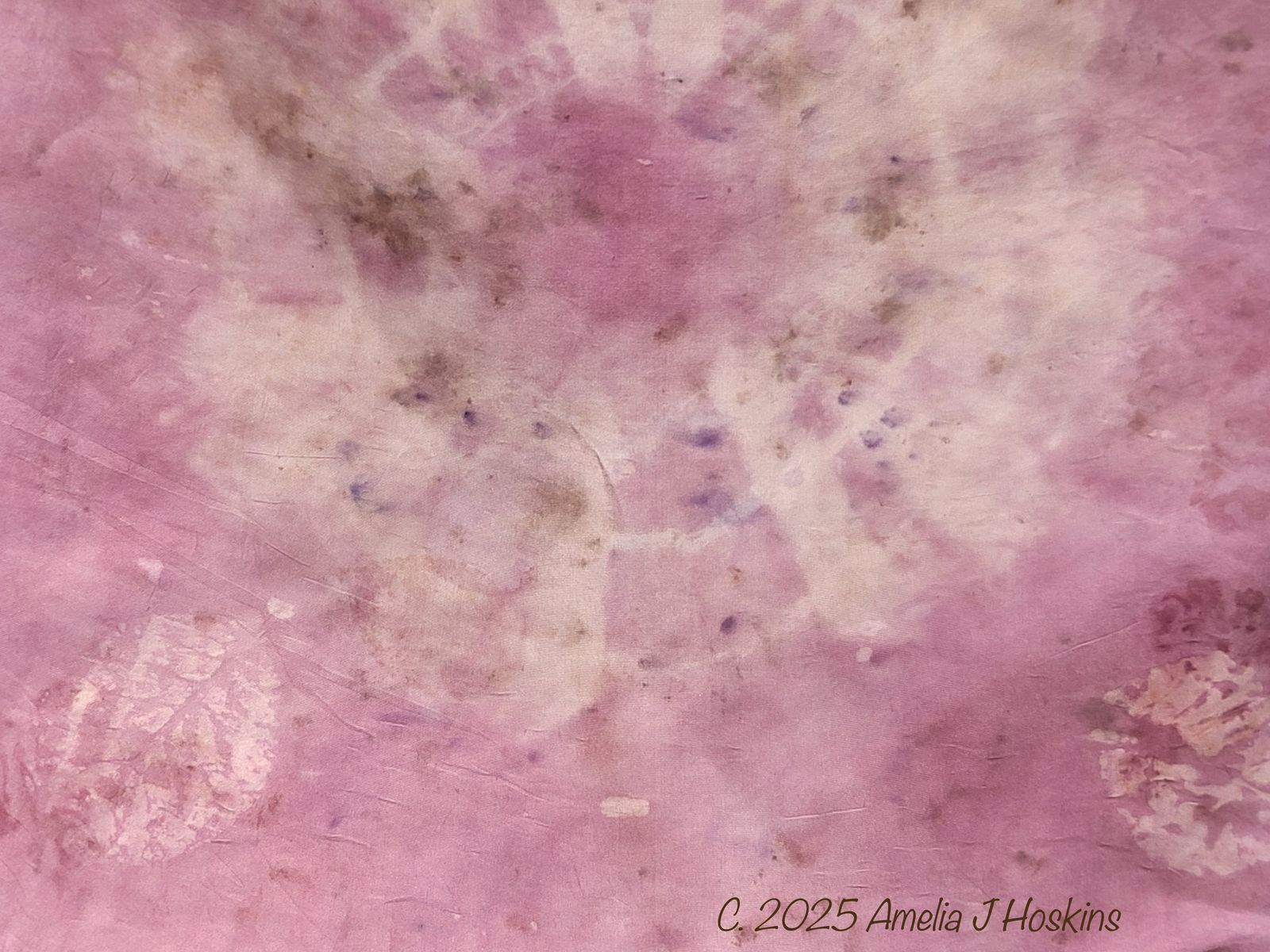
Tie Dyed Blackberry dyed silk

This piece was tided with cord in places to produce the circular fan resist effect.  It was also bundle dyed with some purple flowers (Linaria) which only came out in spots.

TESTS TO DO...

Blackberry dye is stored to be re-tested with iron for lavender to violet and citric acid for brighter pink. TO CONTINUE...


27 Oct

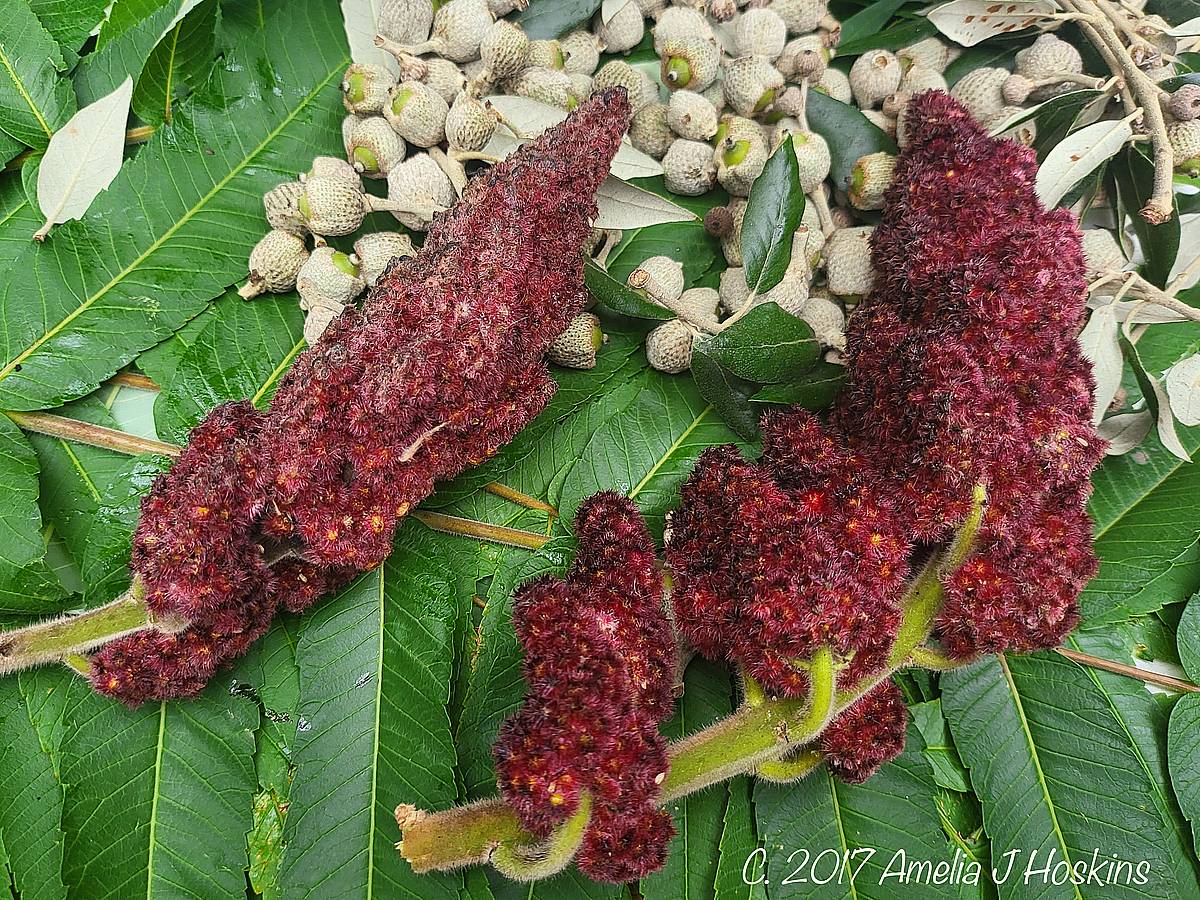
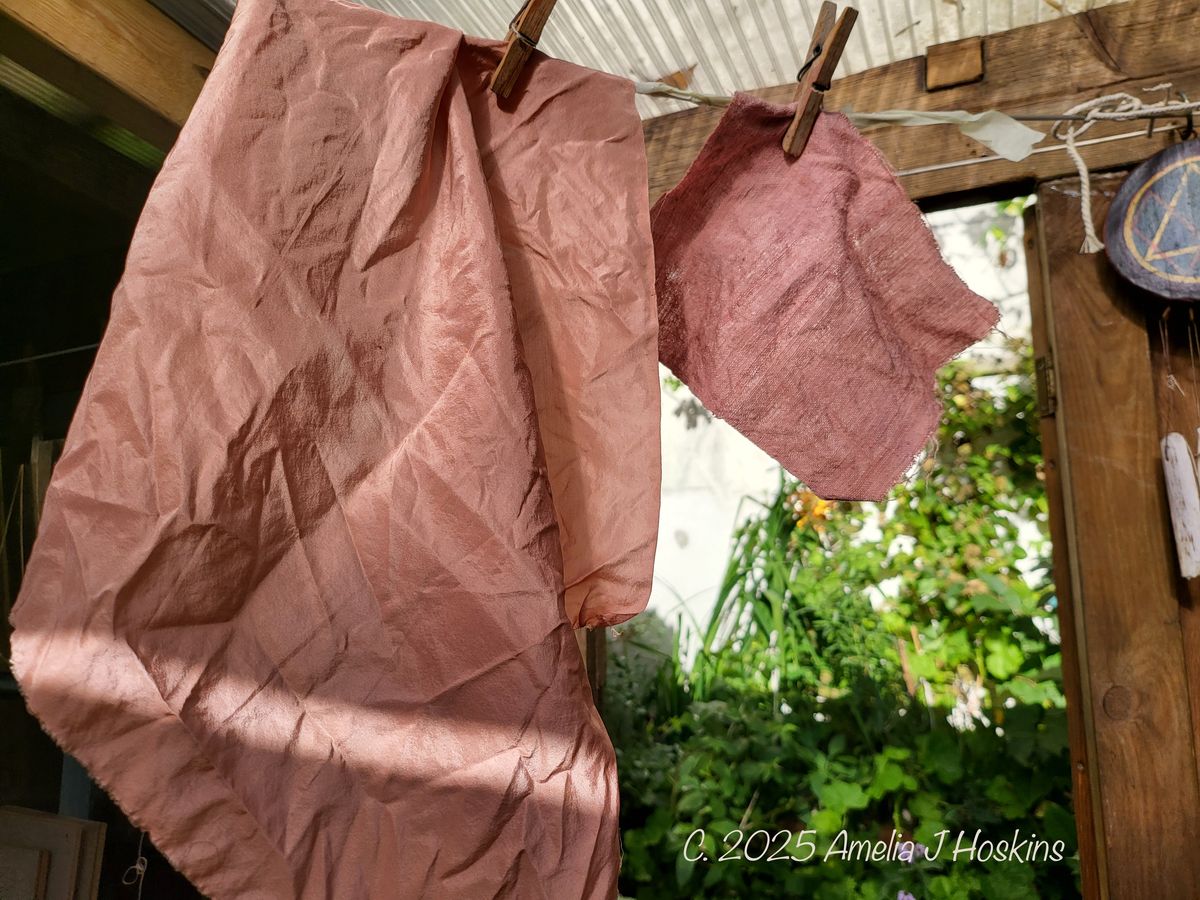
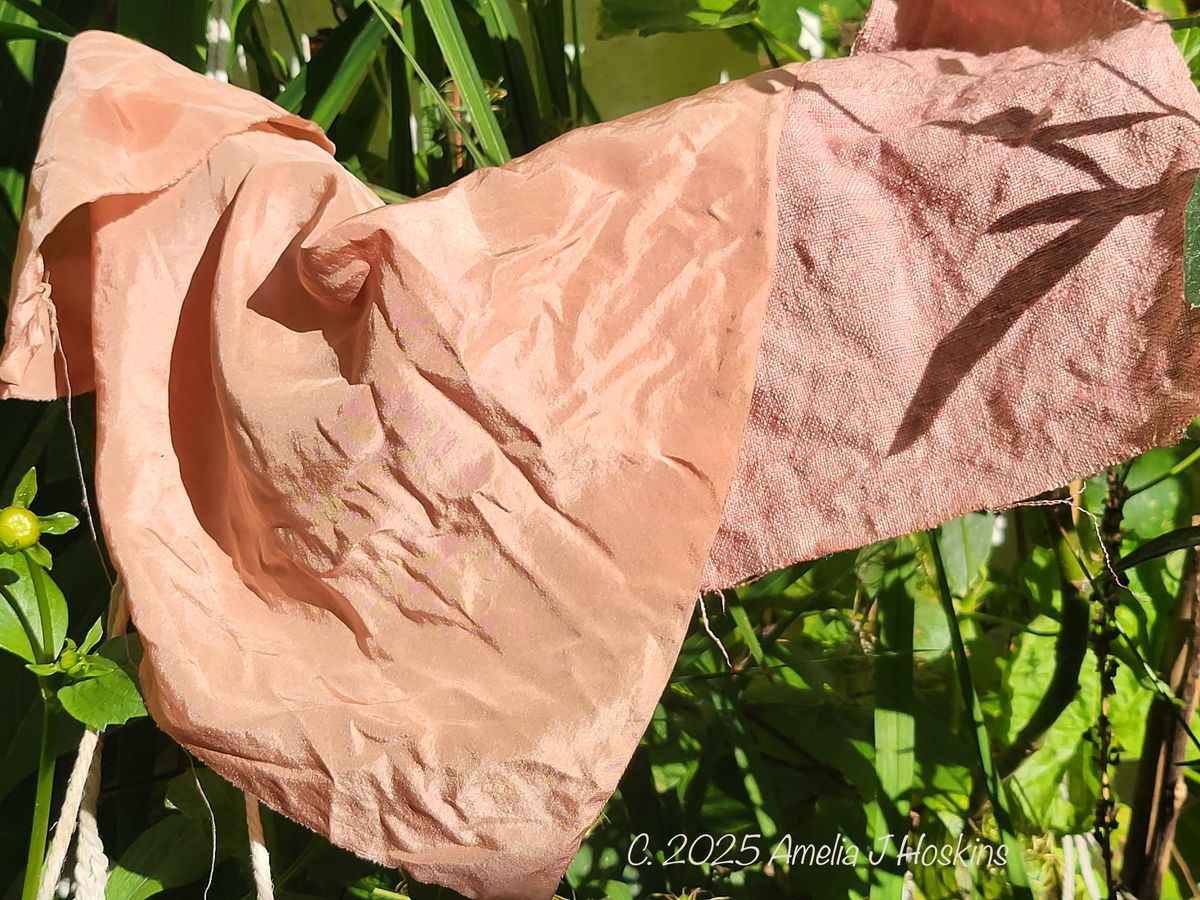
Sumac Flower Dye – Salmon Pink

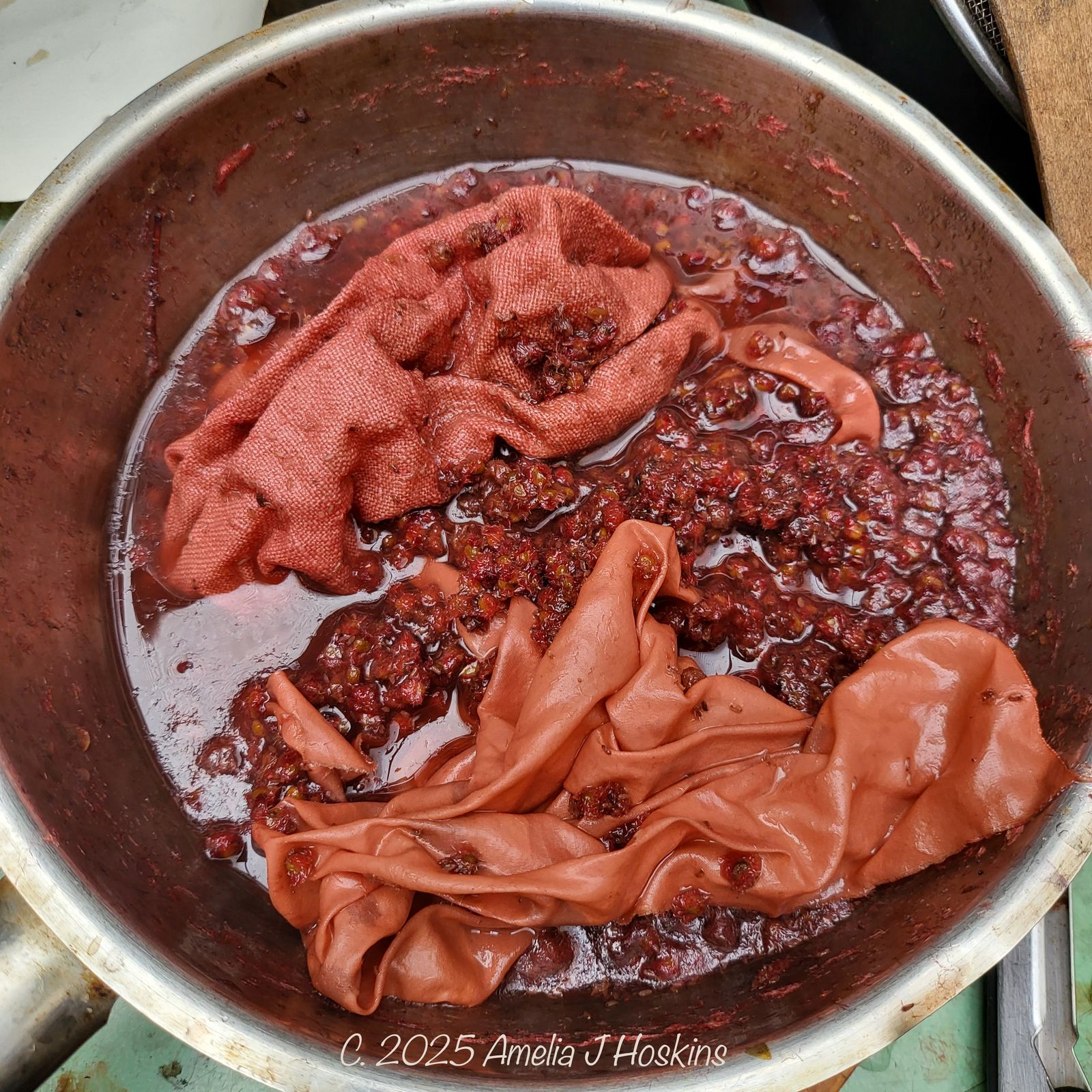
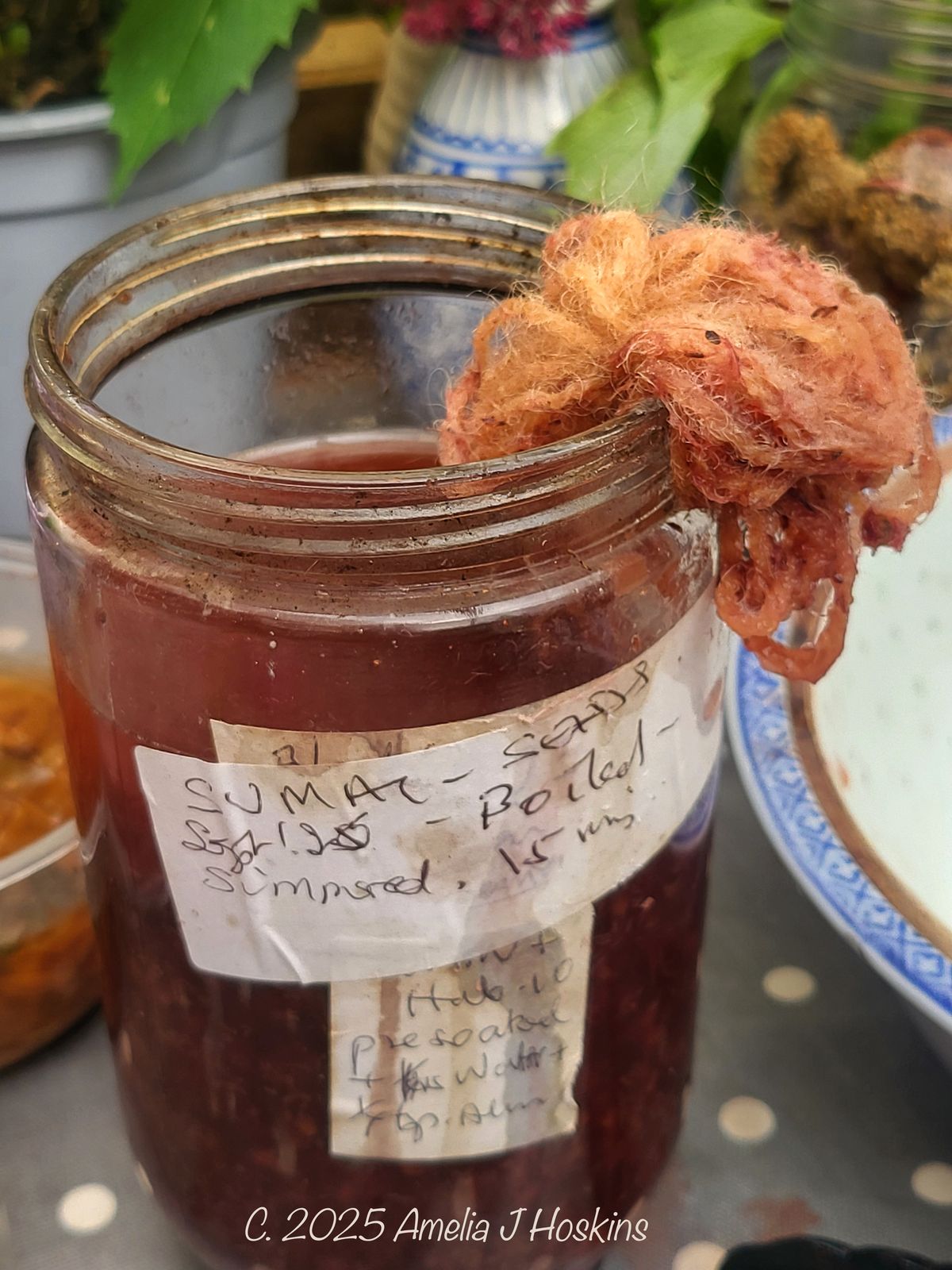
SUMAC Flower seeds silk dye Salmon Pink Terracotta

Modifier tests on Sumac dye

Good strong tones achieved with modifiers.  [See notebook image above.]  I chose to simply use alum sulphate as a pre-mordant (which matches my silk pieces, although no mordant at all (centre test sample), would be fine.  An interesting change from predominant salmon pink, is the pale straw sample, modified with Sodium Bicarbonate, (alkaline). This stops the pink coming through, but Sumac is more valuable for the stronger terracotta pinks.

Shetland wool was soaked in dye jar, but probably not mordanted, and has oils in (must be alkaline), which prevented the pink shades.  Shetland wool, dyed ginger was found in previous year's jar of Sumac dye!  Worth leaving wool in for longer after dyeing silk pieces.

Sumac flower spikes start deep red, but these were picked when turned russet, in October.  Soak flowers in water until dye appears. I left these for a few weeks before adding fabric.  Silks Habotai and Erin were soaked for a few days amongst the flower seeds. They took up dye quickly, but I wanted to make sure they got as strong as possible.

26 Oct

Amaranth Pink

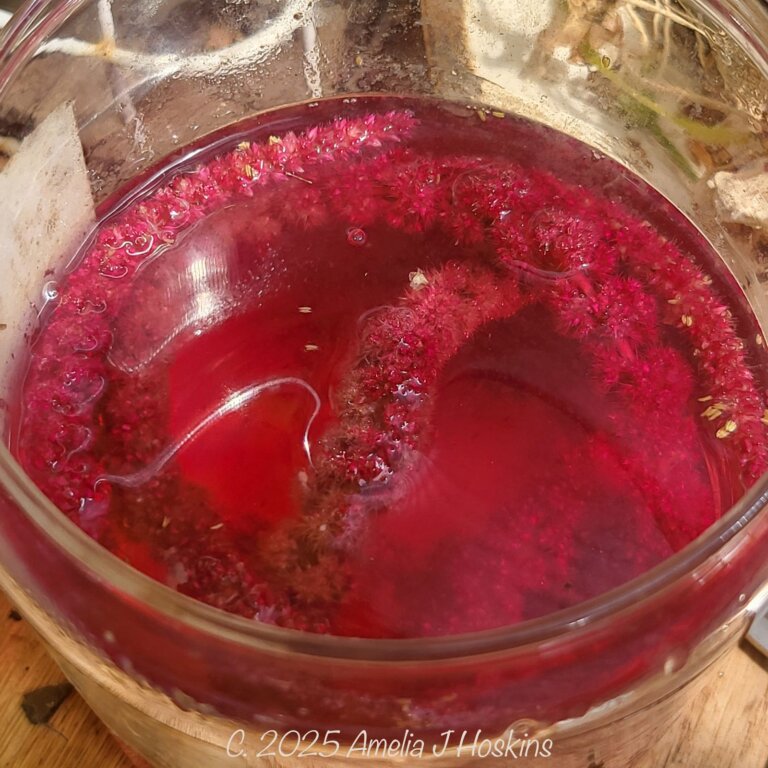
November Amaranth dye jar success!

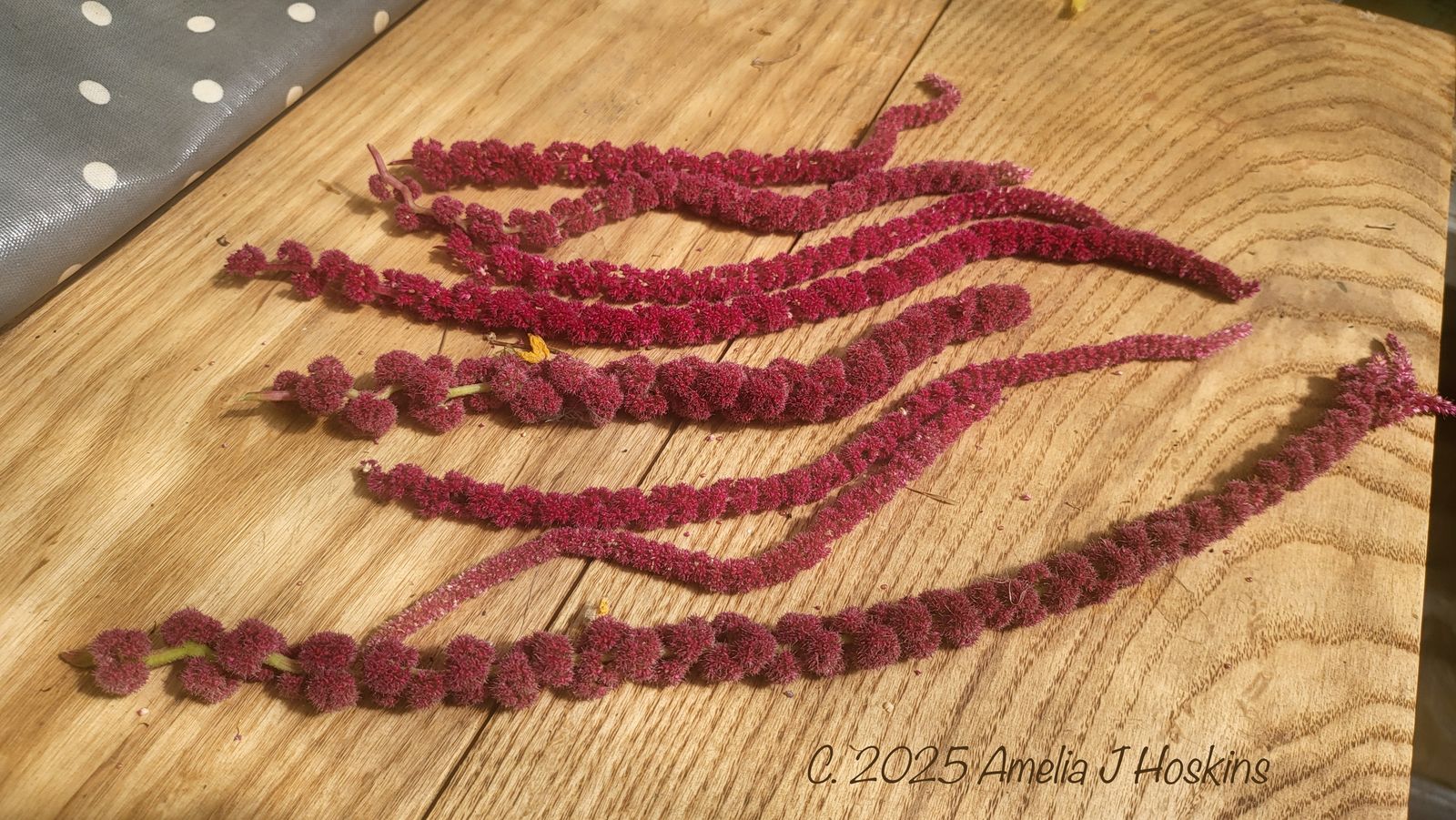
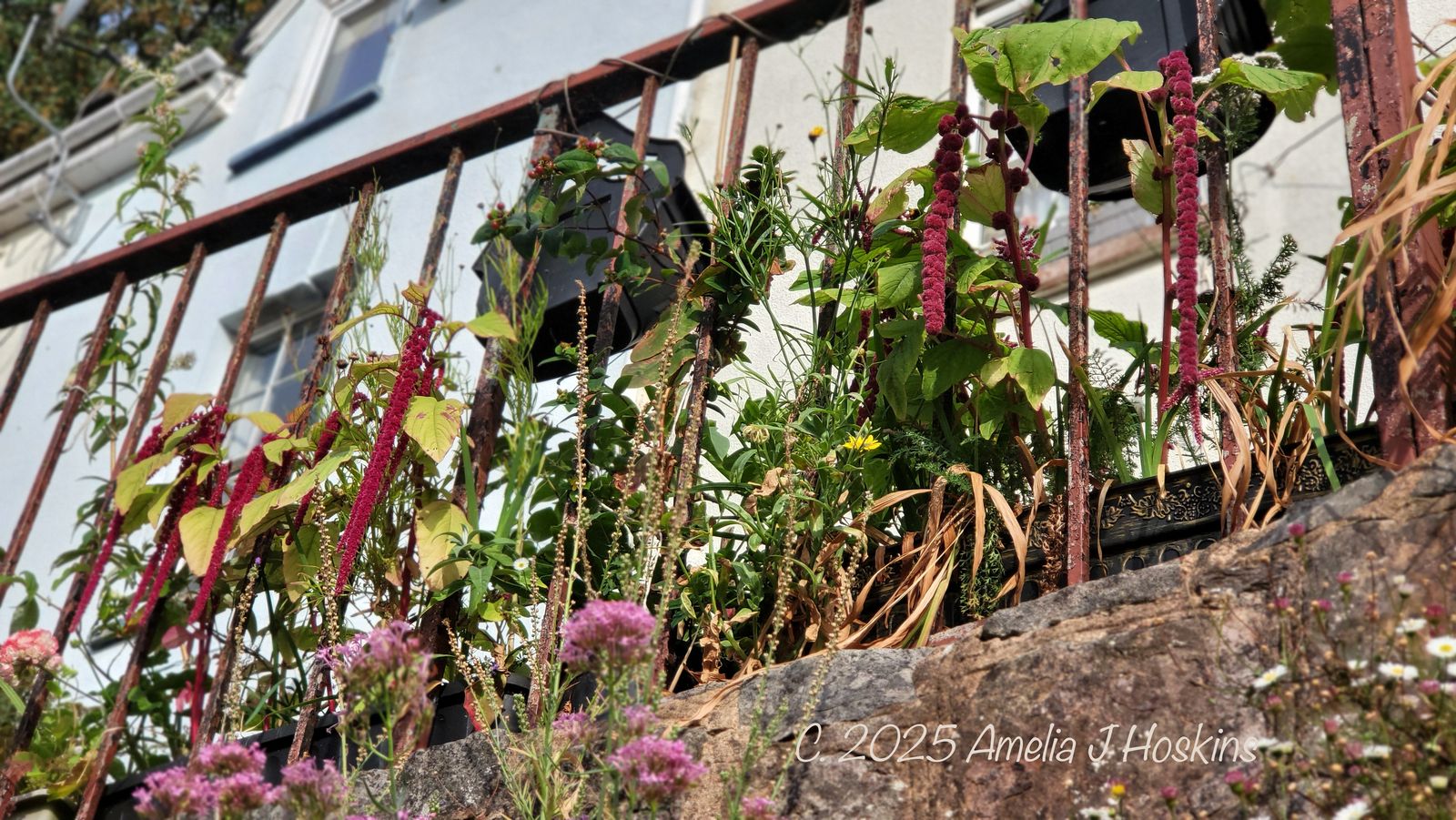
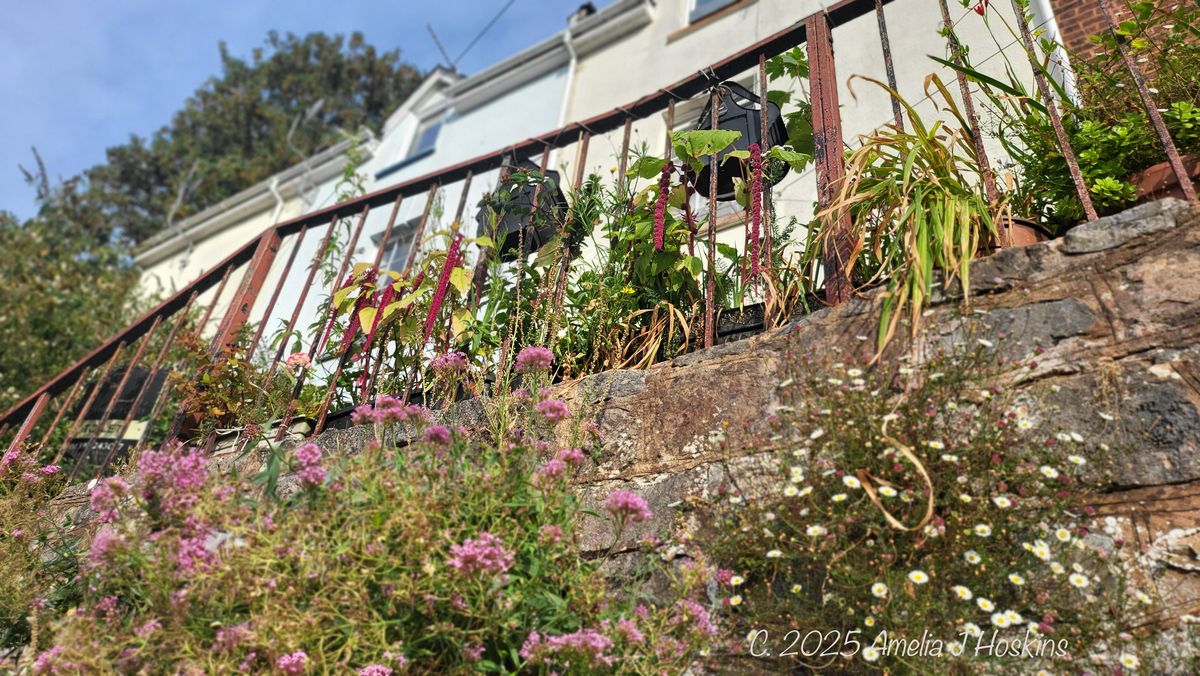
This year, 2025, I grew amaranth from seed, and they thrived in west facing pots.  Tassels get quite long, if left through to August.

Bright Pink achieved with Apple skins 'vinegar

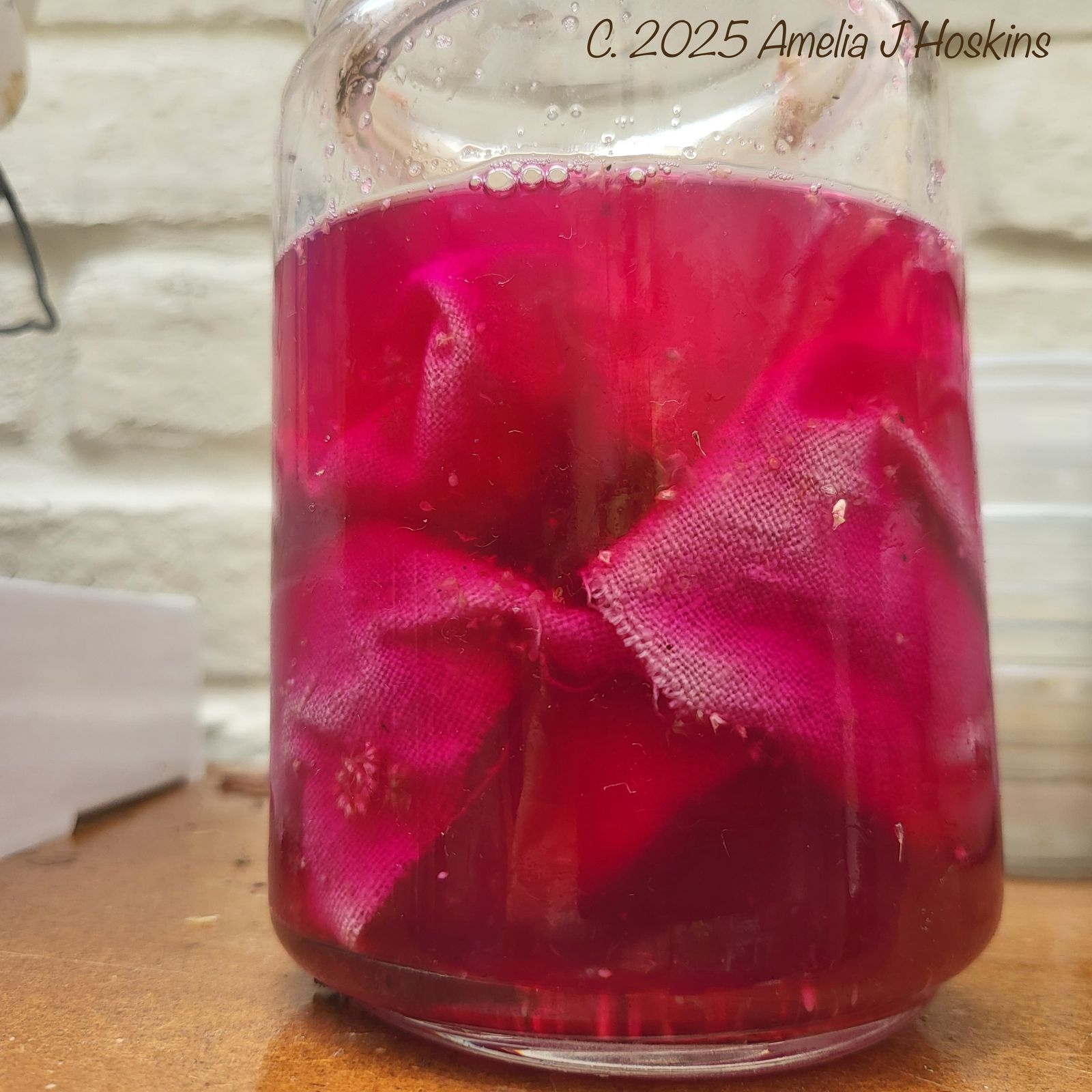
After adding more flowers to soak in August-October dye jar, together with apple vinegar from apple waste and skins, the advised Ph3 was achieved.  The habotai silk finally TOOK the colour - a bright magenta pink.  It held and did not wash out, also rose-magenta pink after drying.  CONCLUSION: Either longer soaking OR apple vinegar addition allowed for dye absorption.  More pond water added to jar and more apple vinegar for subsequent pinks; maybe paler...

Pink or magenta must be 'coaxed' carefully from the flowers.  The joy is that the 'fixer' apple vinegar is available from ripe apple peelings in October. If the seeds proliferate, there'll be plenty of pink dye next year.

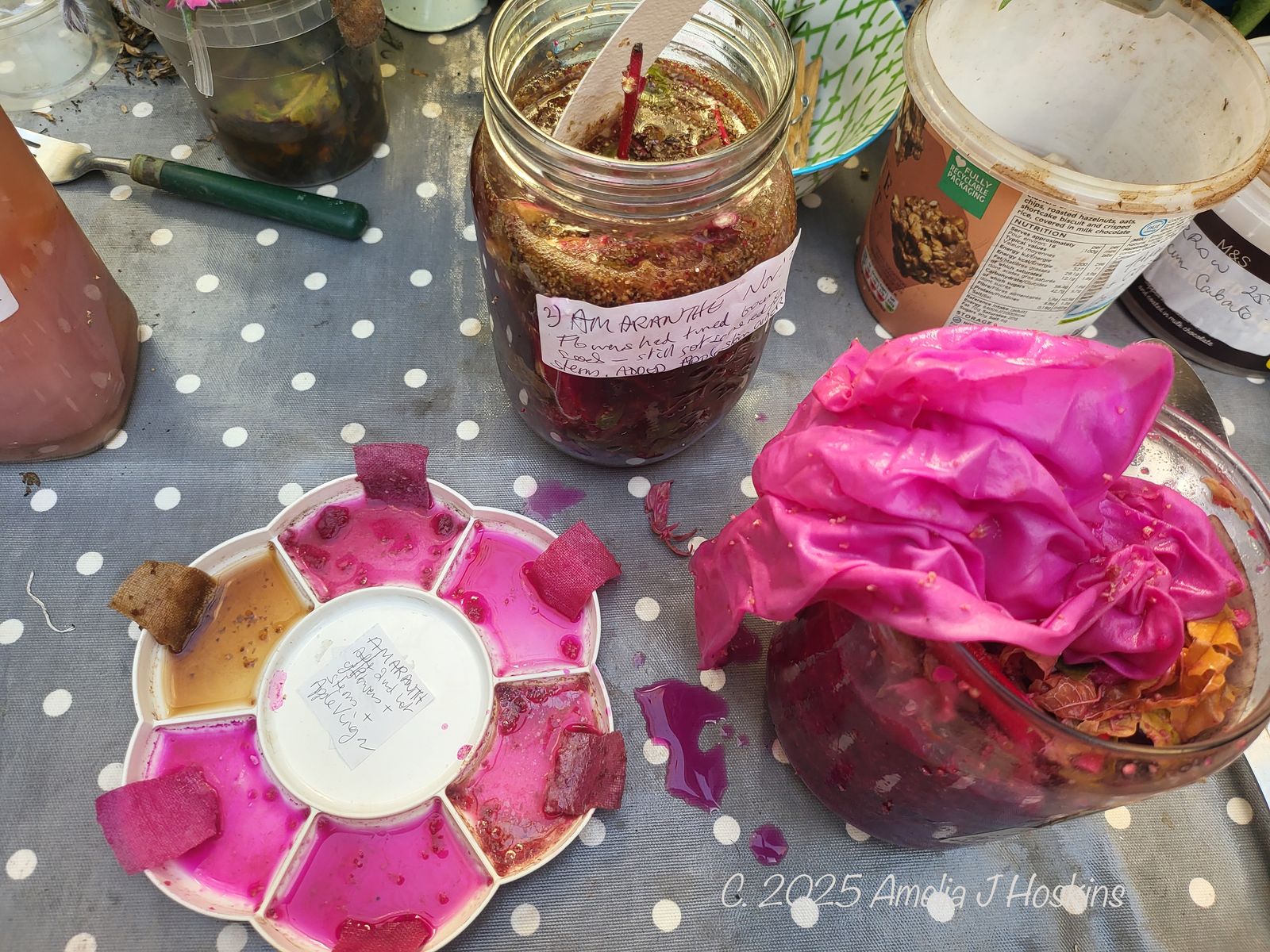
Amaranth dye liquid separated

Adding modifier to Amaranth dye

I must have got the modifiers mixed up: using Bicarbonate of Soda, silk turned gold in the purple dye. More tests...

A 3rd soak jar behind in image shows the flowers brown, as they were changing from flower to seed, only partly pink. However water has gone purple, so in hope, some more pink stems were added. [the older the plant, the pinker the stems].  This pink seems quite strong.  Amaranth plants are over by November, but keep producing tassels of magenta from July/August to November.

Amaranth Flower dye - first attempt - Testing August

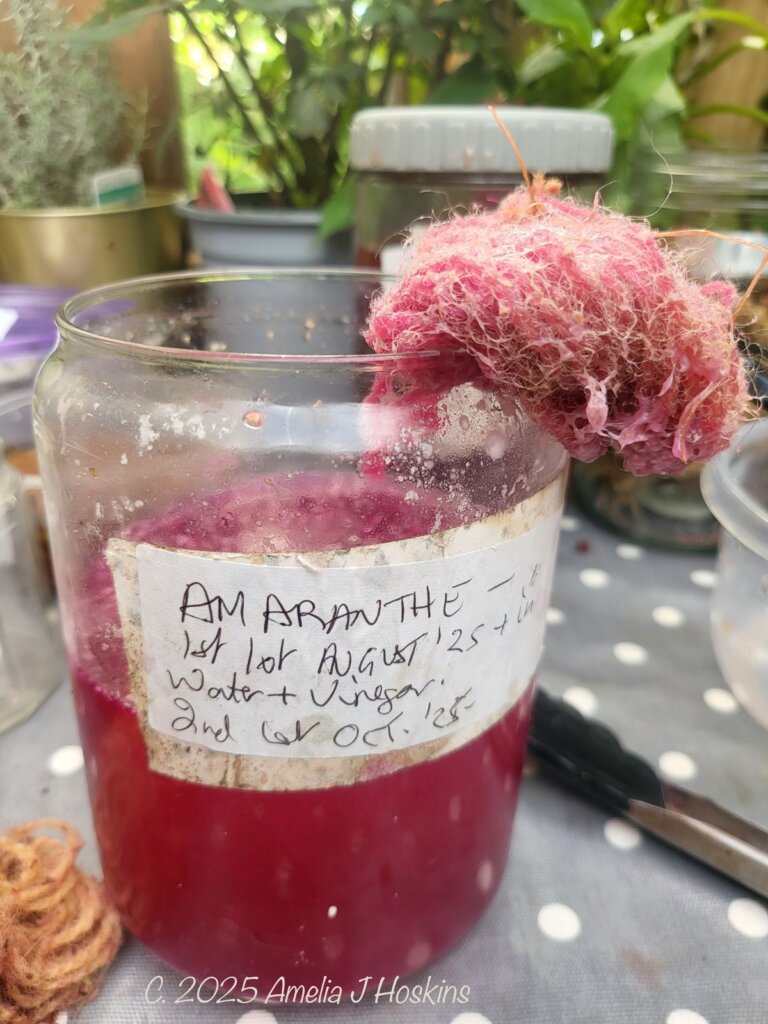
First sample tests were cream yellows.  By September more tassels picked and they are still good, but starting to 'seed'. I made a dye jar in August, left soaking for some weeks with some vinegar and pond water, but only resulted in cream/beige. I added more to it in October and also added some vinegar, which helped get a pink result on Shetland wool.

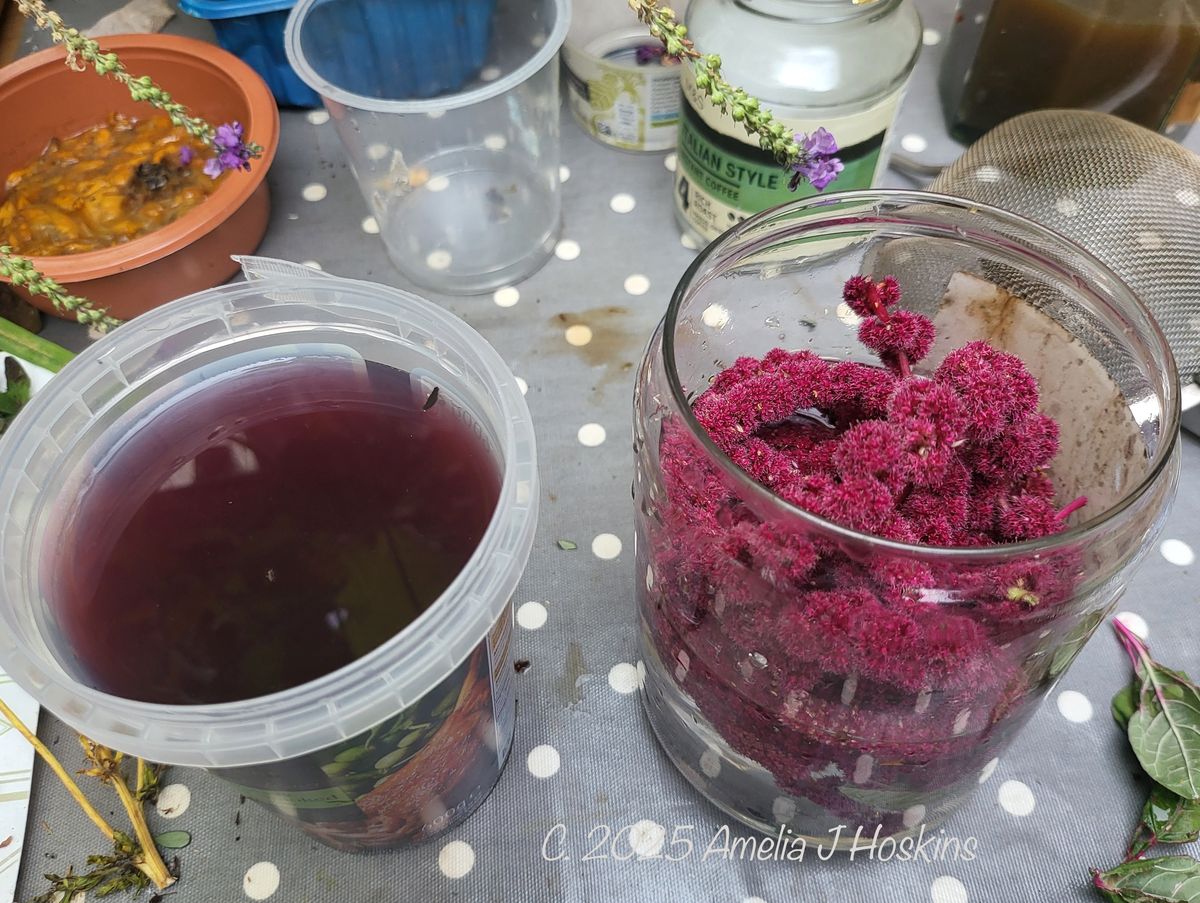
Amaranth dye jar

Silk in dye jar

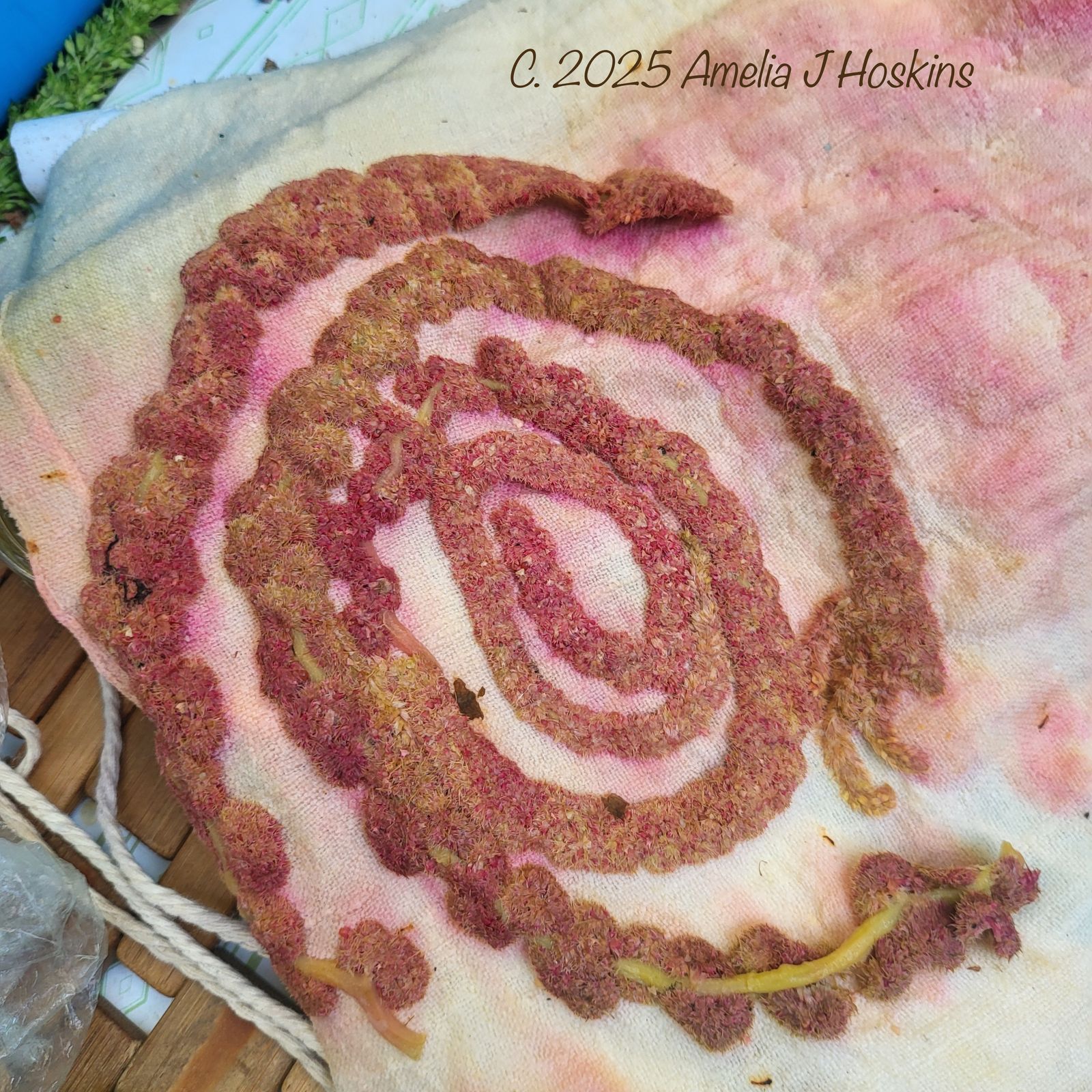
Amaranth Coil bundle dyed

Using very long amaranth tassels, result looked promising as the pink went onto the silk, but it didn't fix well and the silk dried to a very pale patchy white-pink.   Maybe if silk was soaked in vinegar first, it would adhere better.  Silk would have been pre soaked in Aluminium Sulphate. [AFTERNOTE: if silk was soaked in apple cider vinegar it would have dyed pink]

Amaranth tassel spiral bundle dyed on Erin

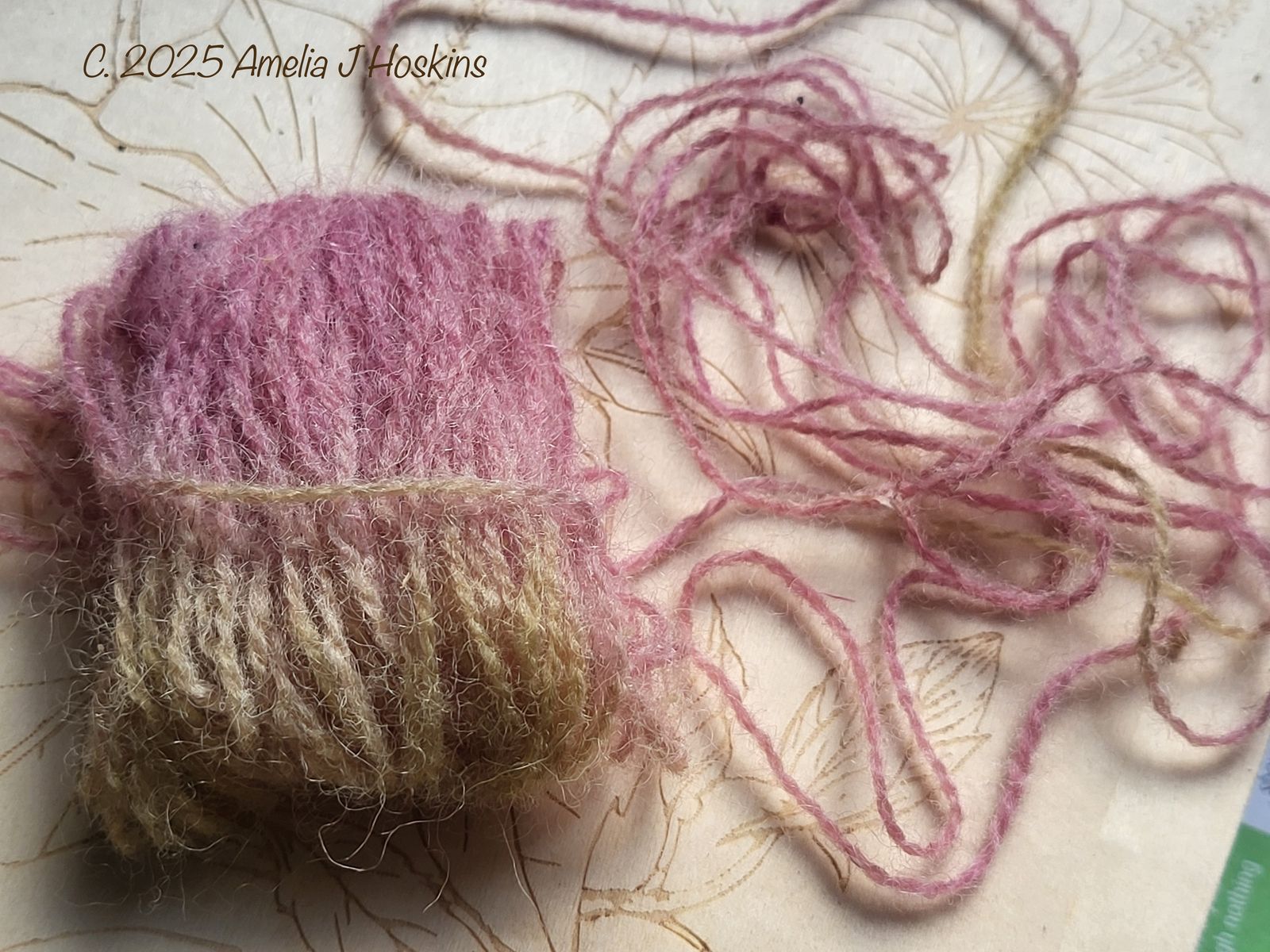
Amaranth wet wool result The wool was tied in a loop for submersion in jar with both the initial August and the additional October Amaranth. Hard to tell if the browny patch was upper or lower, whether vinegar or water caused

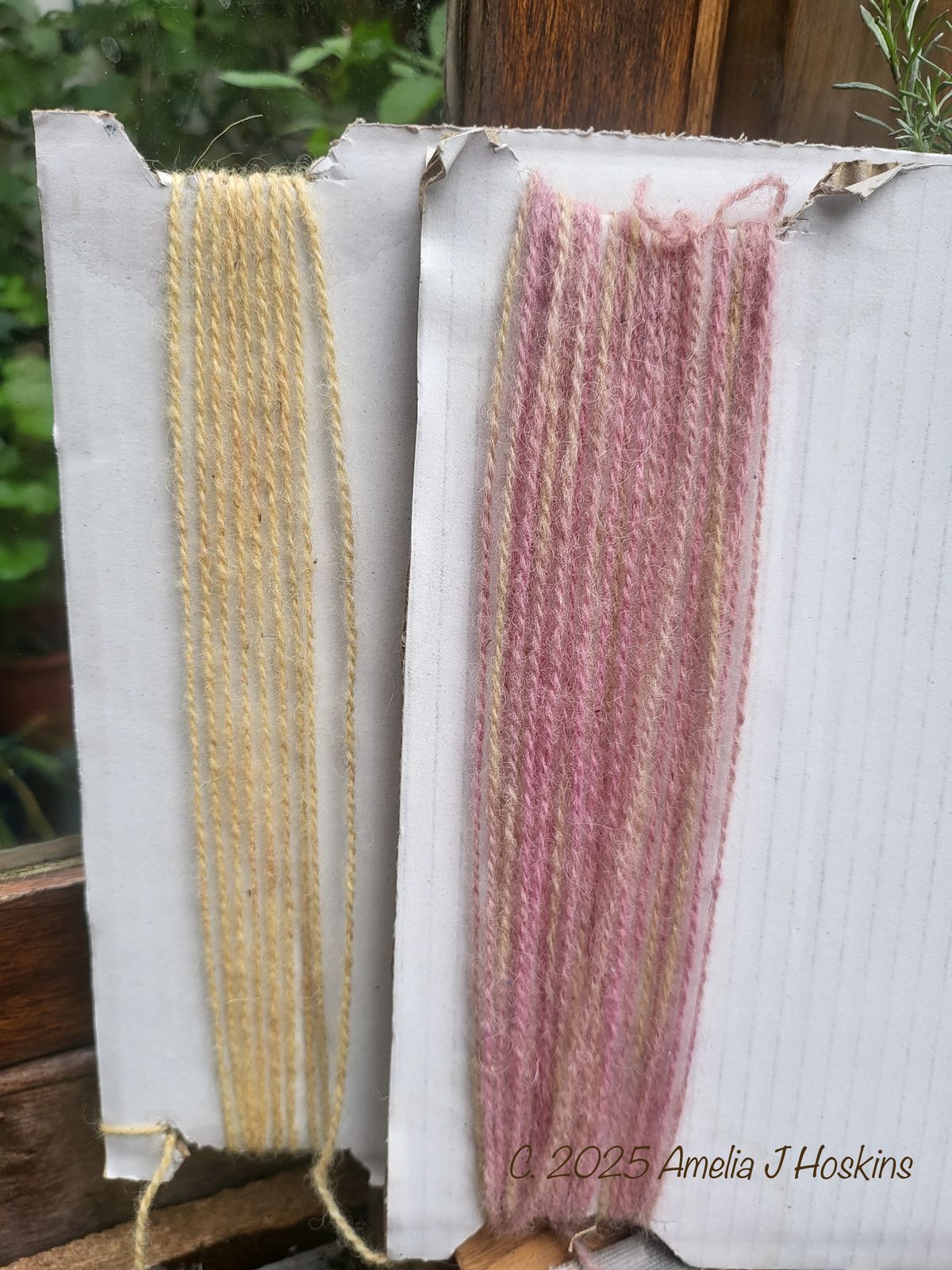
Dyed result PINK! Plus Sumac dyed wool


Advice from blogs stated use vinegar. I added white wine vinegar to pond water, but yet to try only vinegar.

Two tones pink-mauve and straw in continuous yarn (see the two tones on removal from dye jar): is likely where the vinegar separated from the pond water...

LEFT sample Cream Gold colour is a Sumac flower dyed sample

Amaranth flowers form in July, and get longer and longer through August and by September are very long, when I picked most of mine.

10 Sep

All Natural Plant Dye Processes

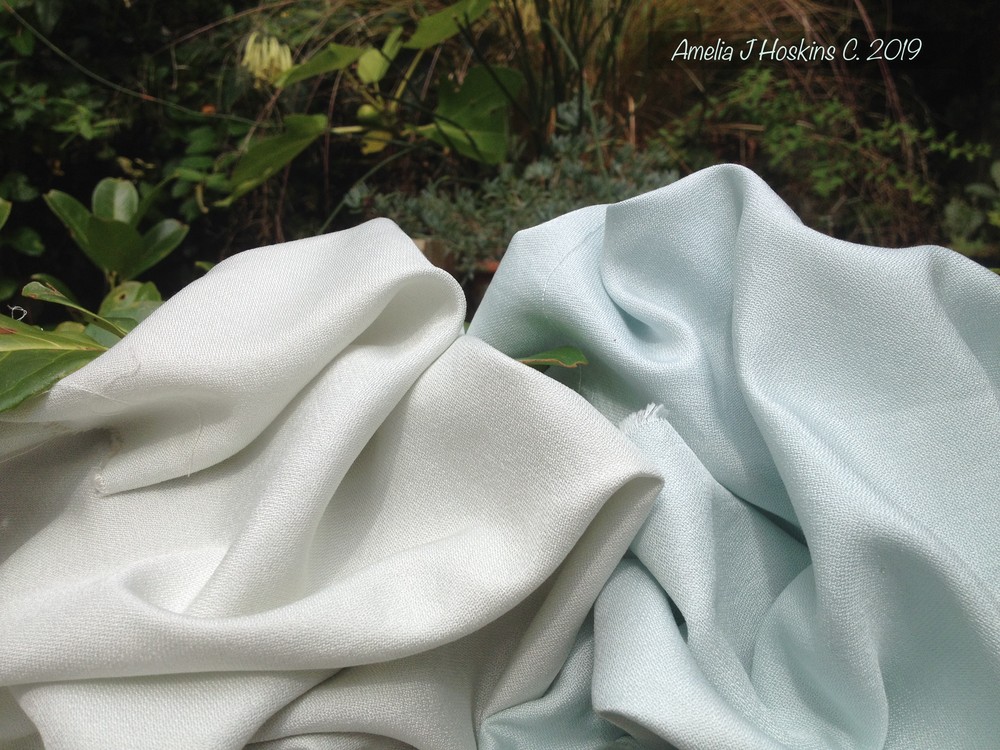
CREAM  -  GOLD  -  BLUE   on Ahimsa Silk


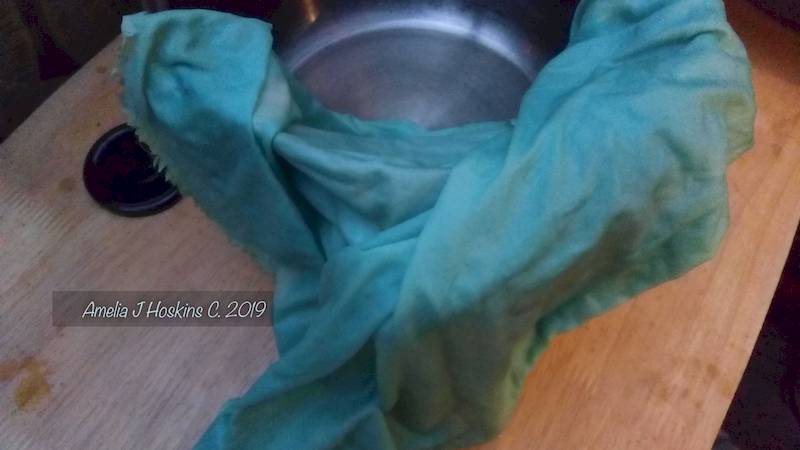
Most plant dyes produce cream or gold, dyed cold or hot.  They can be modified to turn darker and some modified to turn green. Mordants are used to soak silk in first.  Modifiers are used after dye.  Blue is only achieved with English Woad.


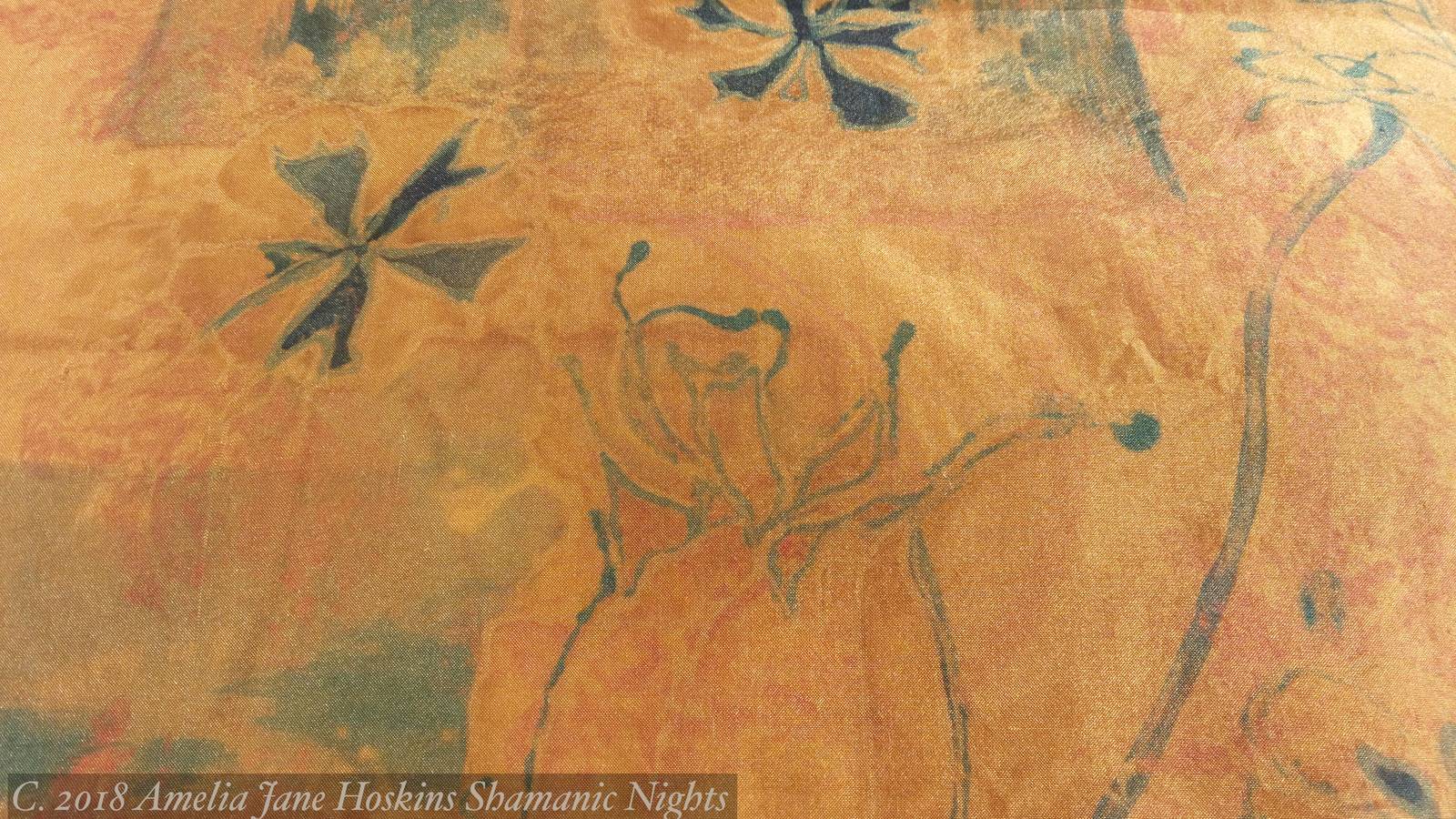
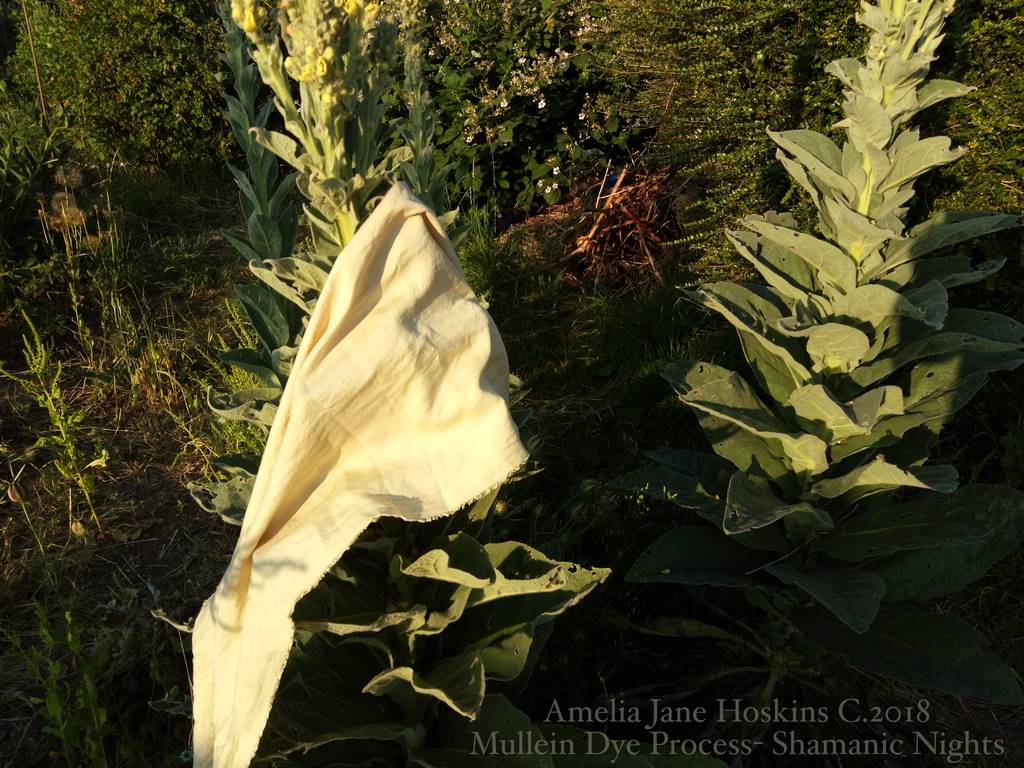
Dyed samples:     Logwood purple - Eucalyptus deep gold - Woad blue - Mullein light gold - Woad blue - Hawthorn gold beiges - Iron modified - Ladies Bedstraw orange

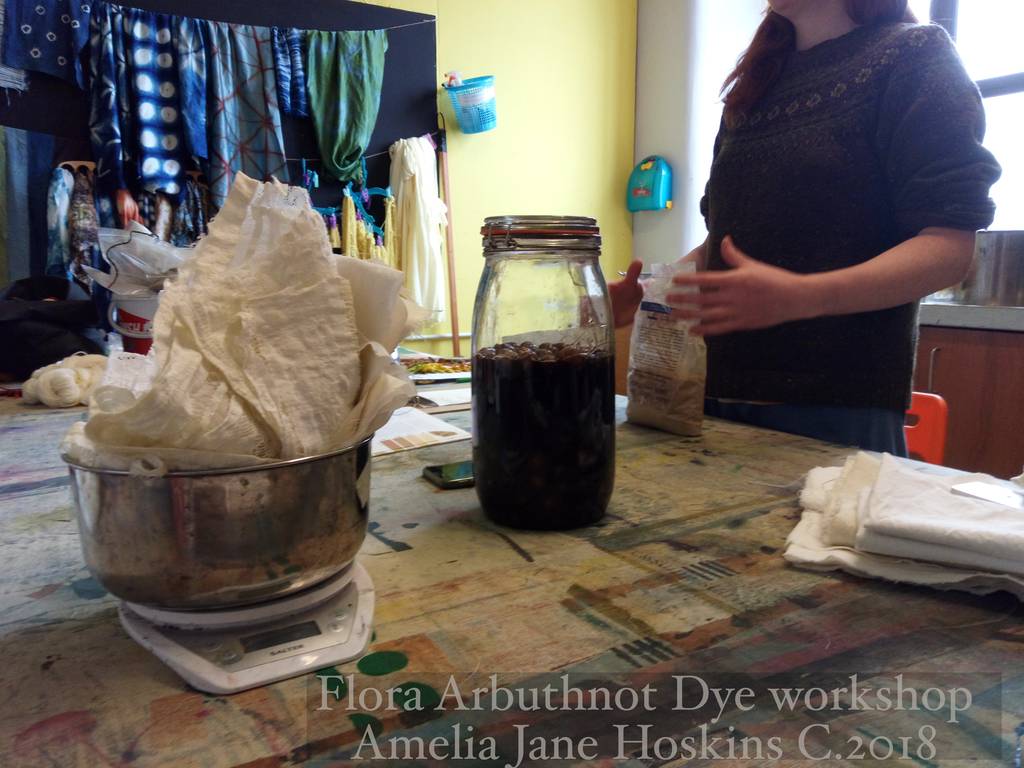
Flora Arbuthnot's Dye Workshop

My dye experiments were inspired by first workshop attended.  We foraged locally for leaves and bark. Flora taught us about mordants to soak fabric in prior to dyeing.  See samples on Post.

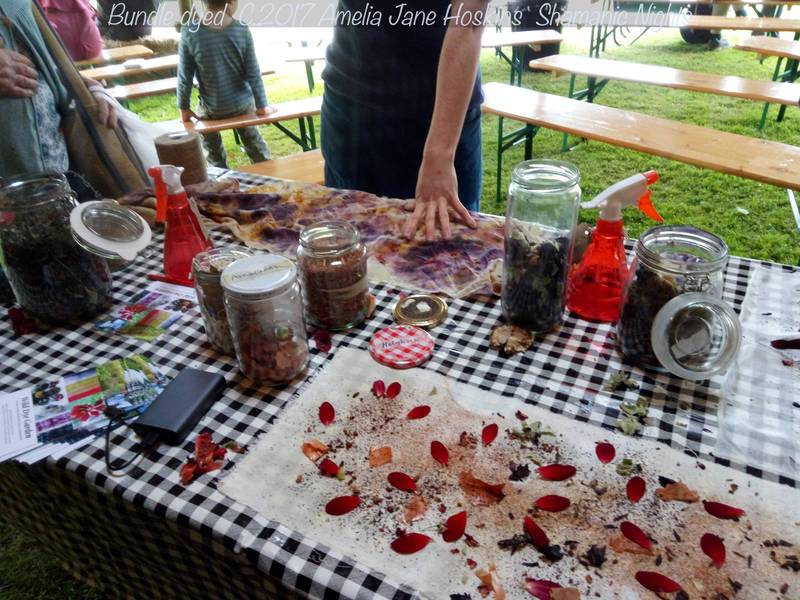
Flora Arbuthnot's Bundle Dye Workshop

Bundle dyeing by steam was a quick workshop at a garden festival. Petals and seeds were spread on cloth, sprayed with vinegar, folded in tightly wrapped bundles and suspended over steaming pot.  Excellent results for backgrounds, seen on this Post background.  See samples on Post.

Images copyright Amelia Jane Hoskins Please email for use permission.