Tag: purple dye

28 Oct

Blackberry dyed Silks

Blackberries - Purples - Pinks

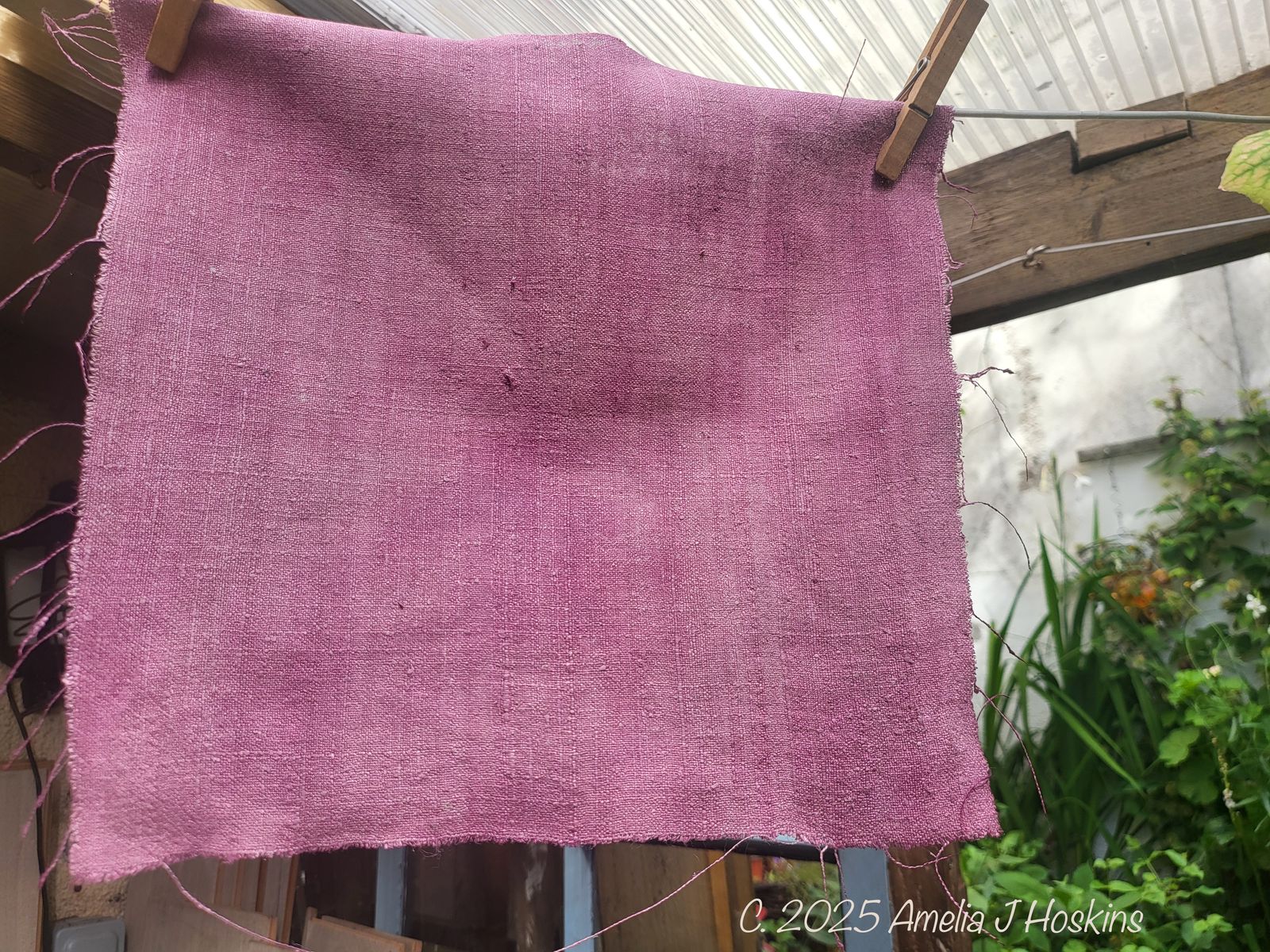
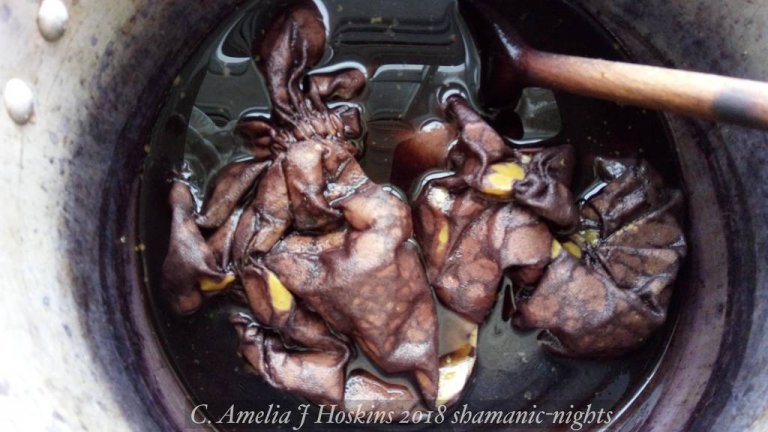
Berries are soaked overnight, then heated, simmered,  Samples with modifiers are first created in palette, to determine alternative colours.  Silks Erin (peace silk) and Habotai silk were soaked in blackberry dye bath when cooled to warm; with modifier. Silk is placed in dye bath then left for 24 - 48 hours.  Dye bath is saved in jar to use later; also to add to other colours to tip a shade.

Silk was pre mordanted in Alum Sulphate which would have given a more purple result, but just a few Slo Berries were also in the mix, which influenced the result to be more pink; in fact similar to neutral without modifiers.  (Subsequent Slo berry dyed silks showed how deep pink Slo dye is)
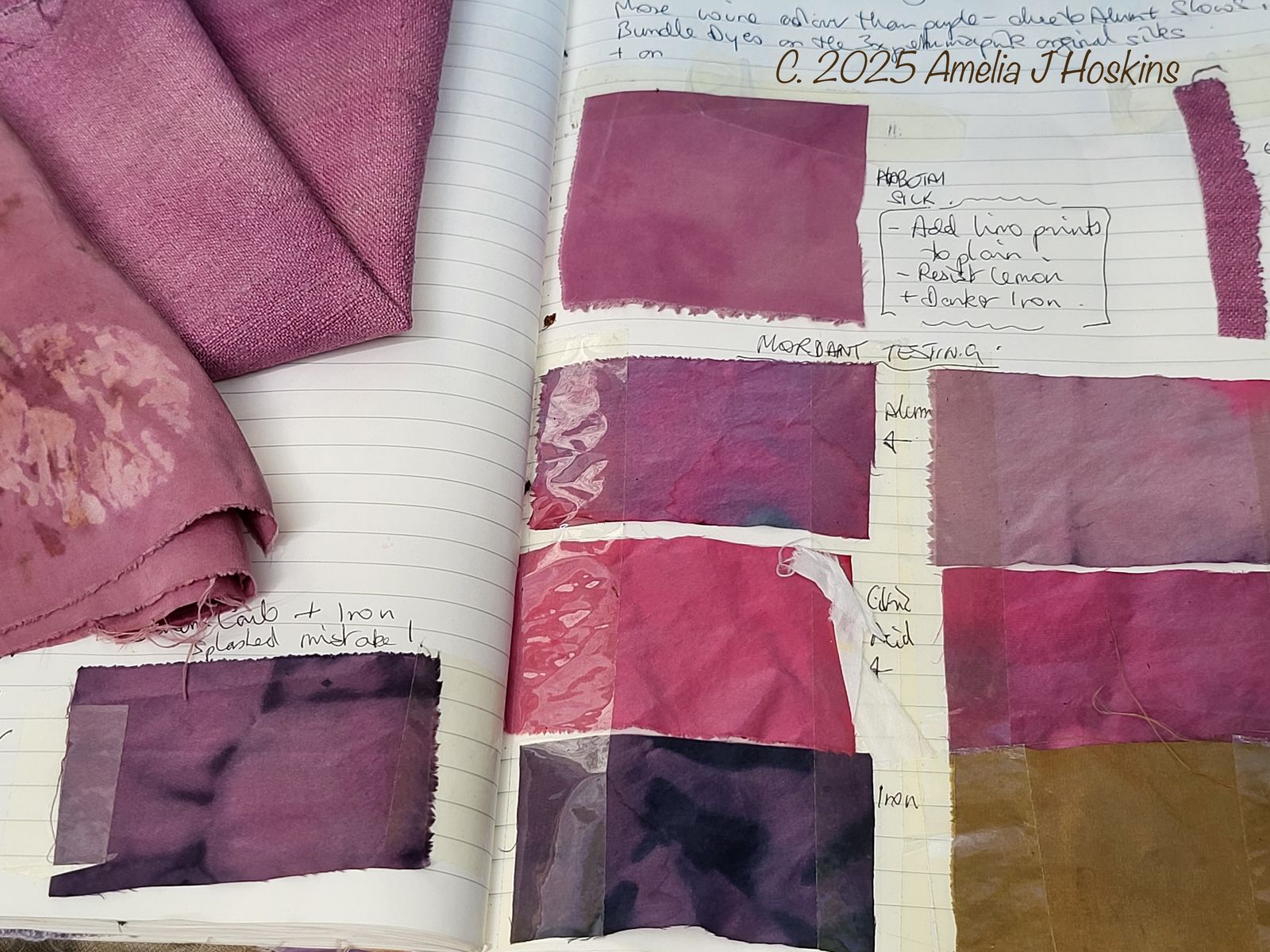
Range of colour tones with different modifiers.

  • Aluminium sulphate
  • Calcium Carbonate
  • Citric Acid
  • Cream of Tartar
  • Sodium Bicarbonate
  • Ferrous Sulphate

Erin Silk Result

Erin silk (peace silk, worm is not harmed) took the dye very well.

Slight variations in tone reflected by the slub nature of the weave.


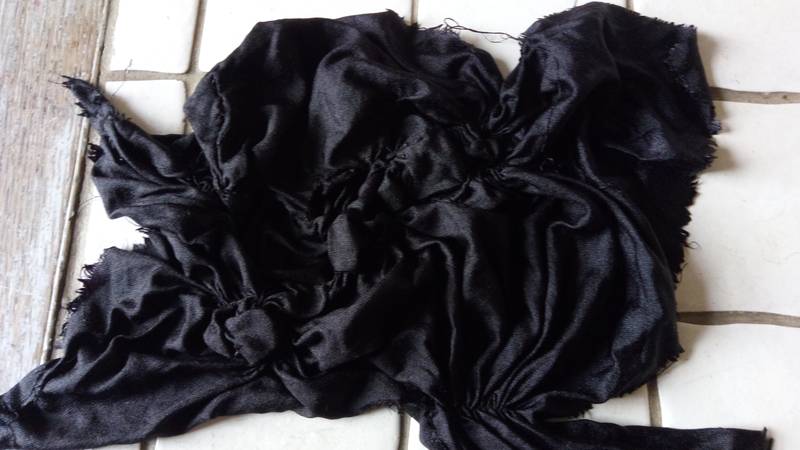
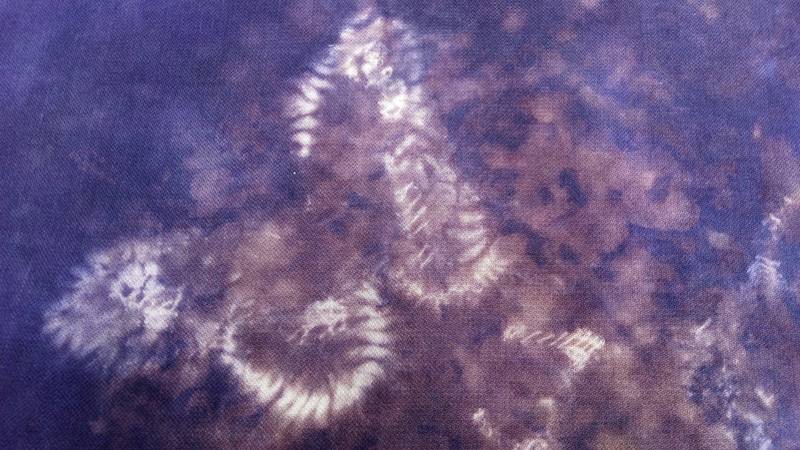
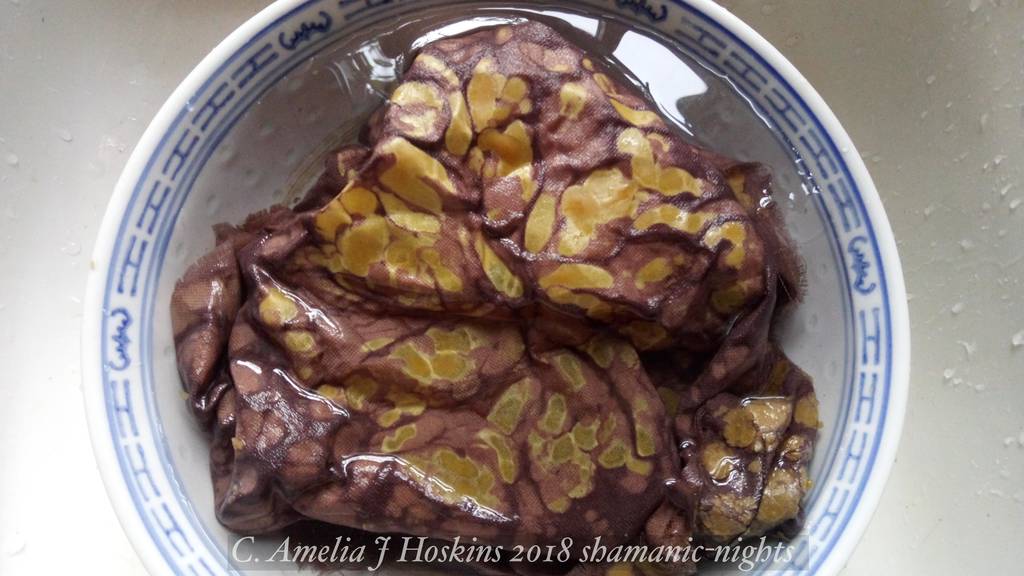
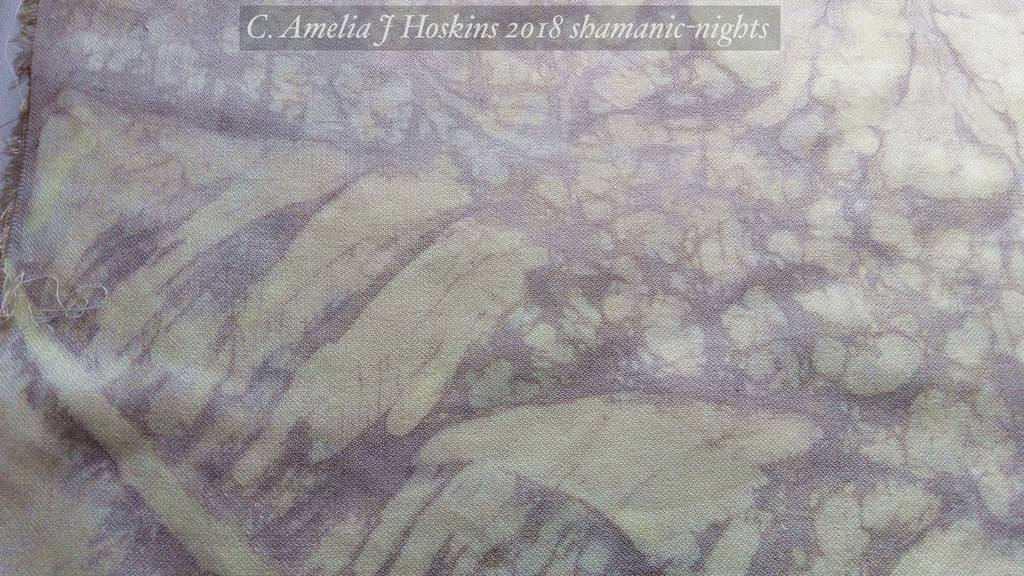
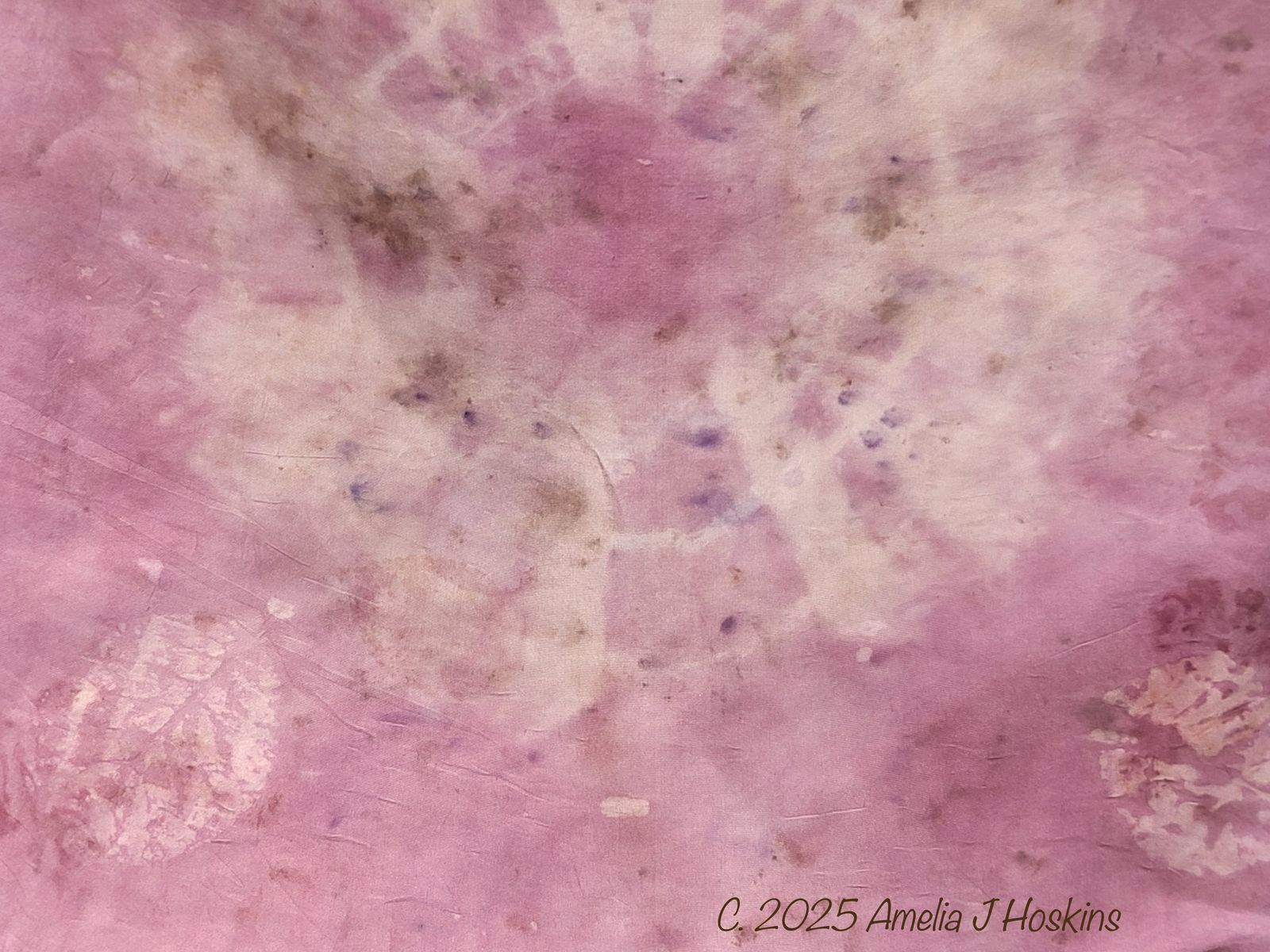
Tie Dyed Blackberry dyed silk

This piece was tided with cord in places to produce the circular fan resist effect.  It was also bundle dyed with some purple flowers (Linaria) which only came out in spots.
TESTS TO DO...

Blackberry dye is stored to be re-tested with iron for lavender to violet and citric acid for brighter pink. TO CONTINUE...
 

21 Aug

Logwood Dyed Silk

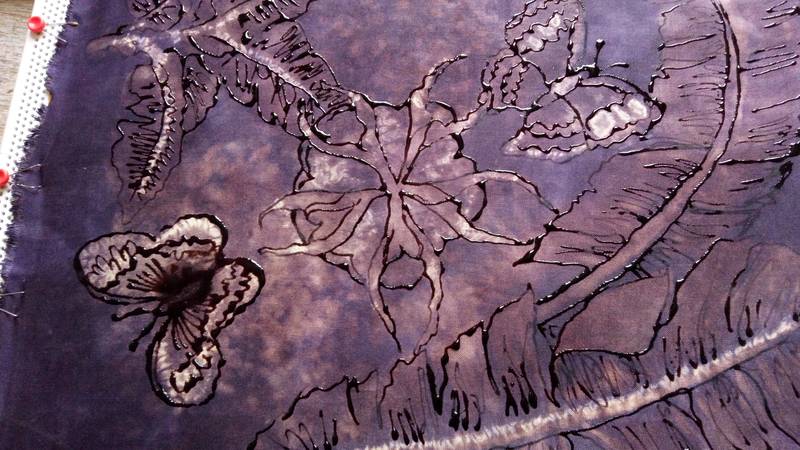
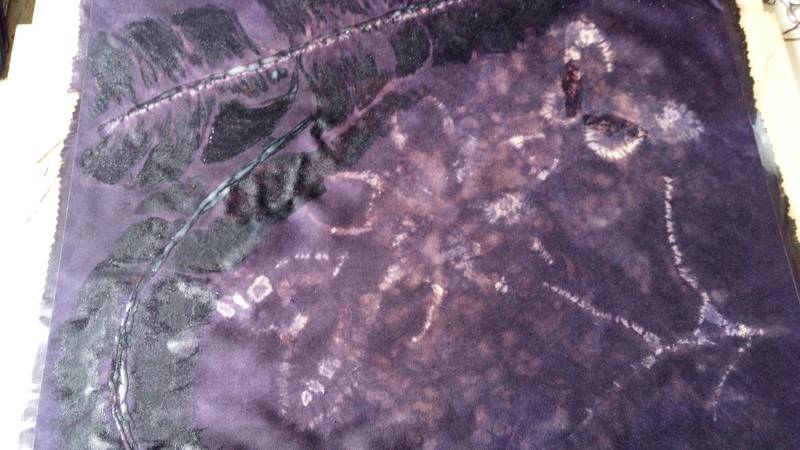
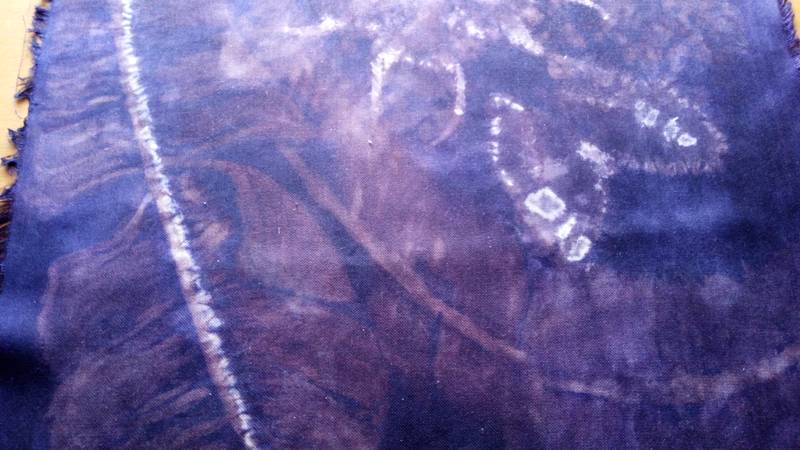
Experimental shibori and batik on Logwood dyed silk - 1st Trial

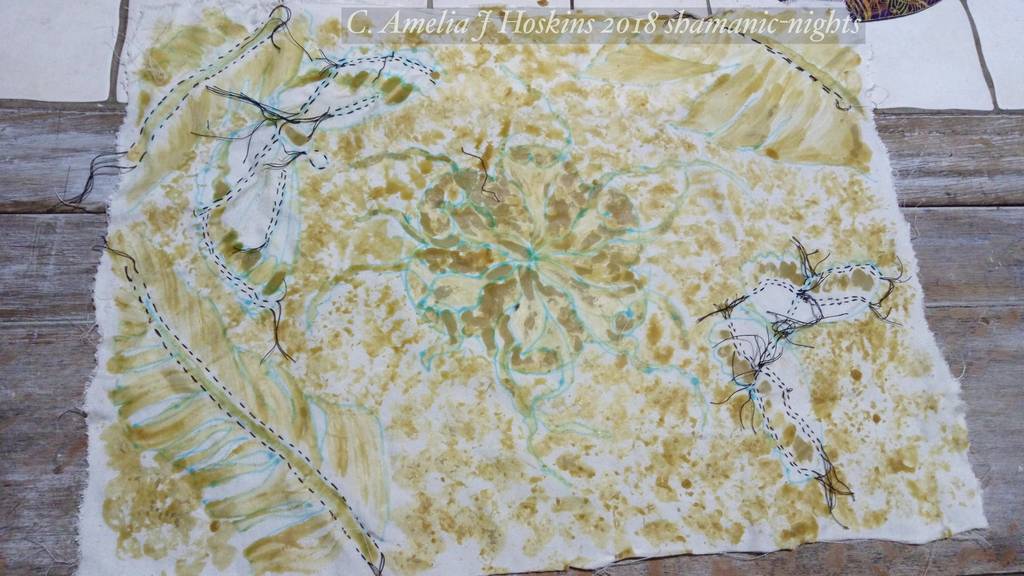
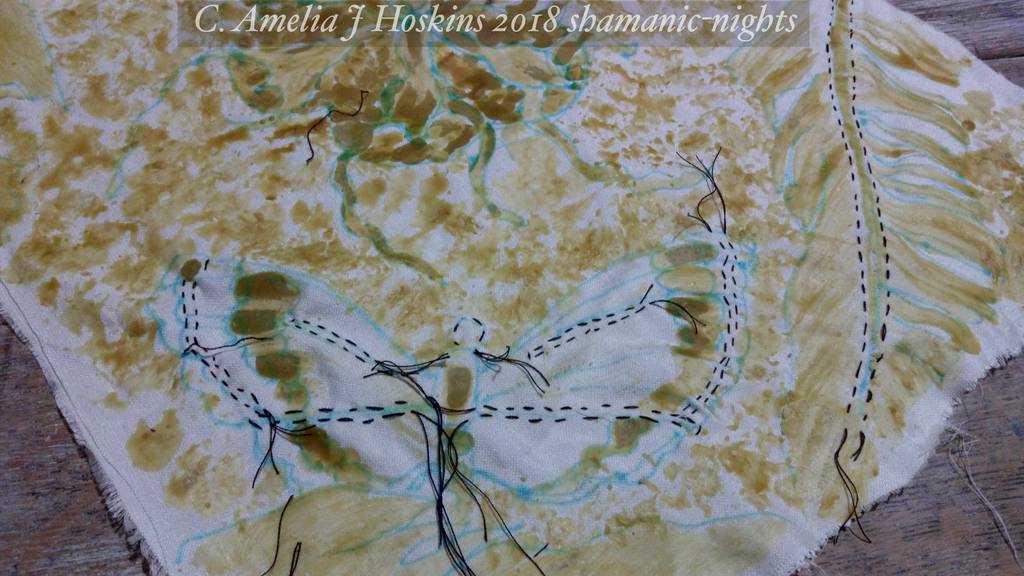
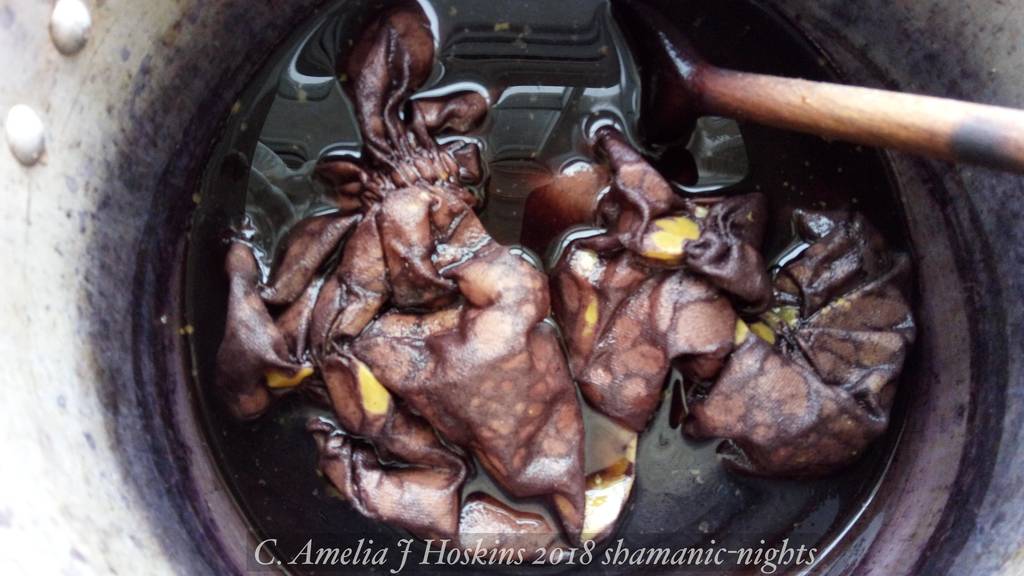
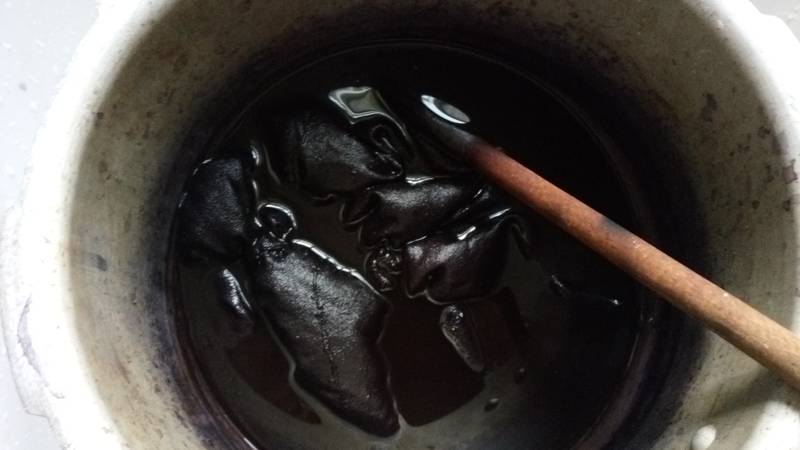
Logwood (in bought dried form) was found to easily produce a very deep violet dye on Ahimsa silk.  Note: Less dye stuff would produce lilac and mauves.  Shibori stitching outlining butterfly showed clearly in white where dye penetration was resisted.

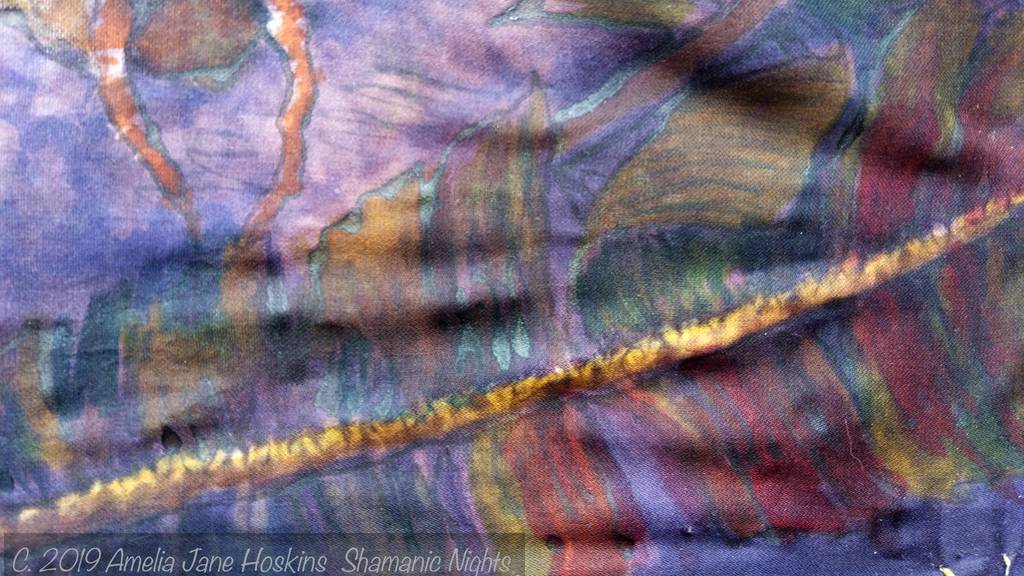
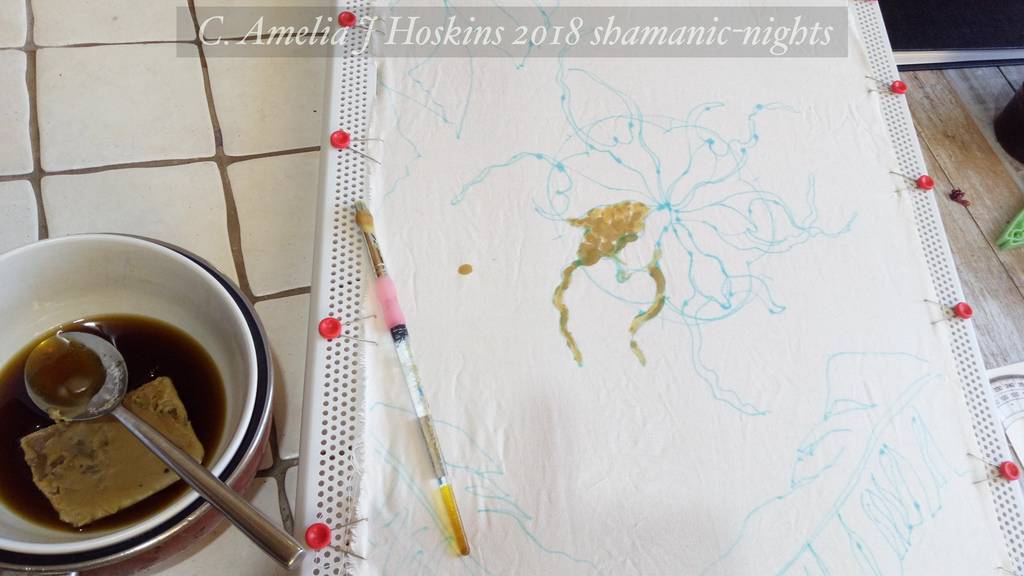
Batik wax originally painted on the silk was overcome by dye, remaining strong aubergine.  To create a contrast to bring out shapes, I outlined in transparent gutta the shapes intended in the design (to be coloured). I used craft 'fabric bleach' to brush on some areas, such as banana leaves.  A second steaming produced the intended shapes in a lighter aubergine, which would be interesting to explore further.

Colour added to simple images copied from a textile, as experiment.  This piece was unfortunately burnt in steaming (water pot went dry), and was cut into strips and used in another garment.

__________________________________________________

2nd Batik Experiment

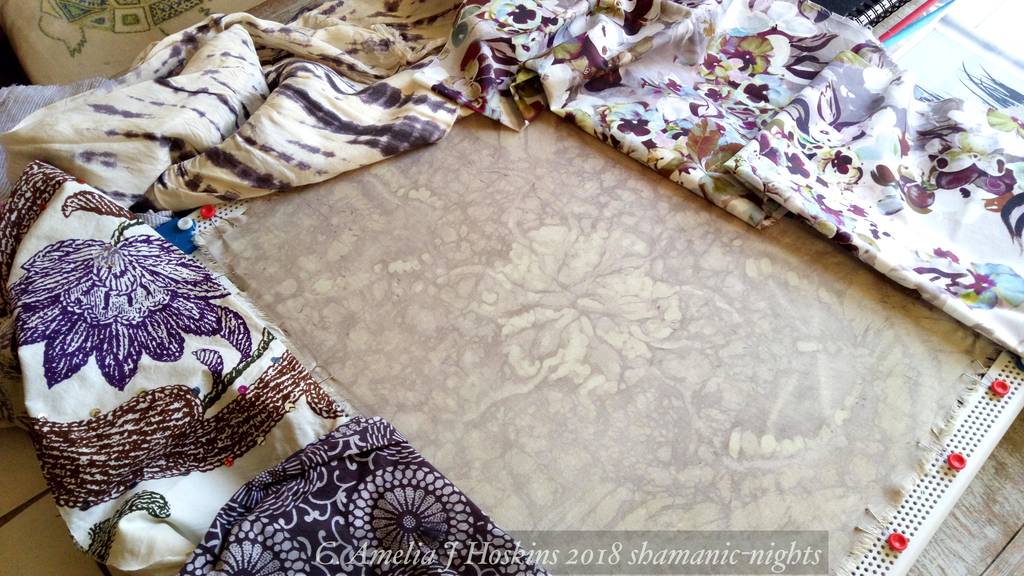
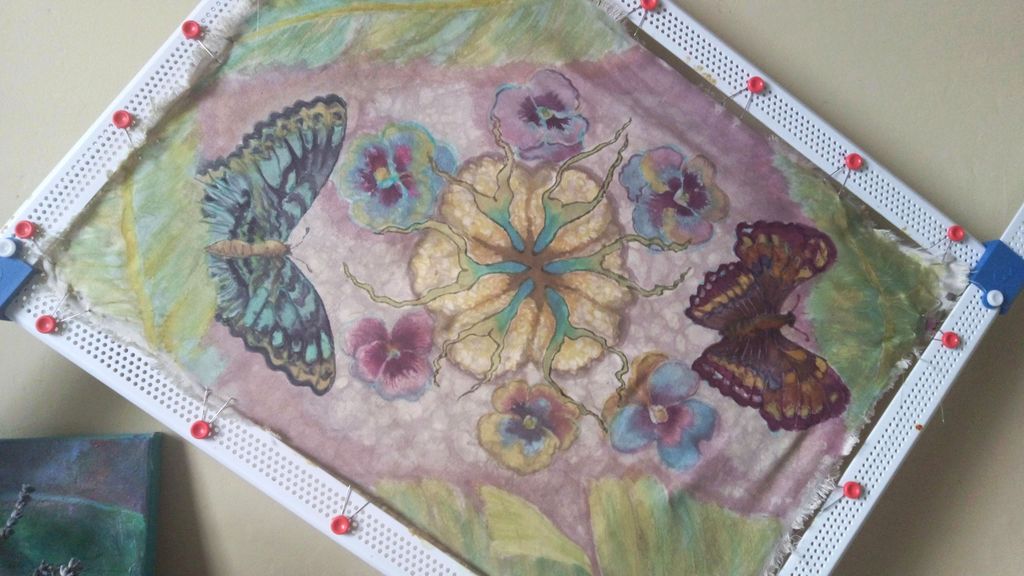
Double stitched outlines of images, as shibori test.  Batik wax painted quite heavily onto ahimsa silk, with daubing stiff paint brush, to create a cellular texture.  The shibori threads were pulled tight before dying.  Washing out, the wax had held.  Ironed over wax several times with strong brown paper to absorb wax, then rubbing off the bees wax in warm soapy water.  Texture remained to start painting on.

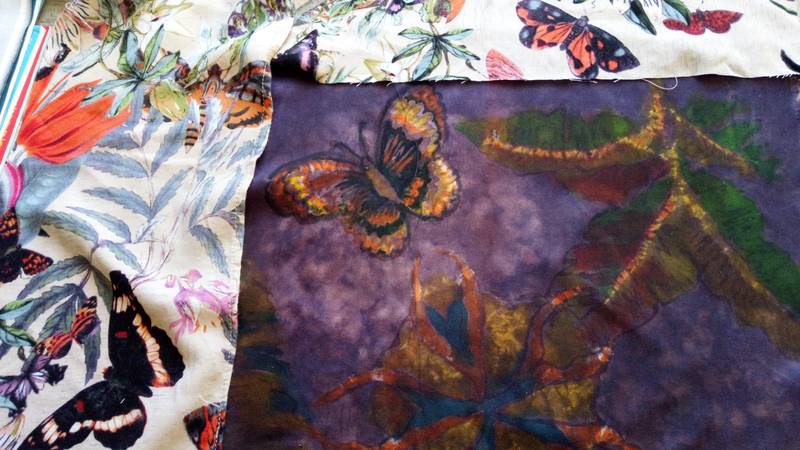
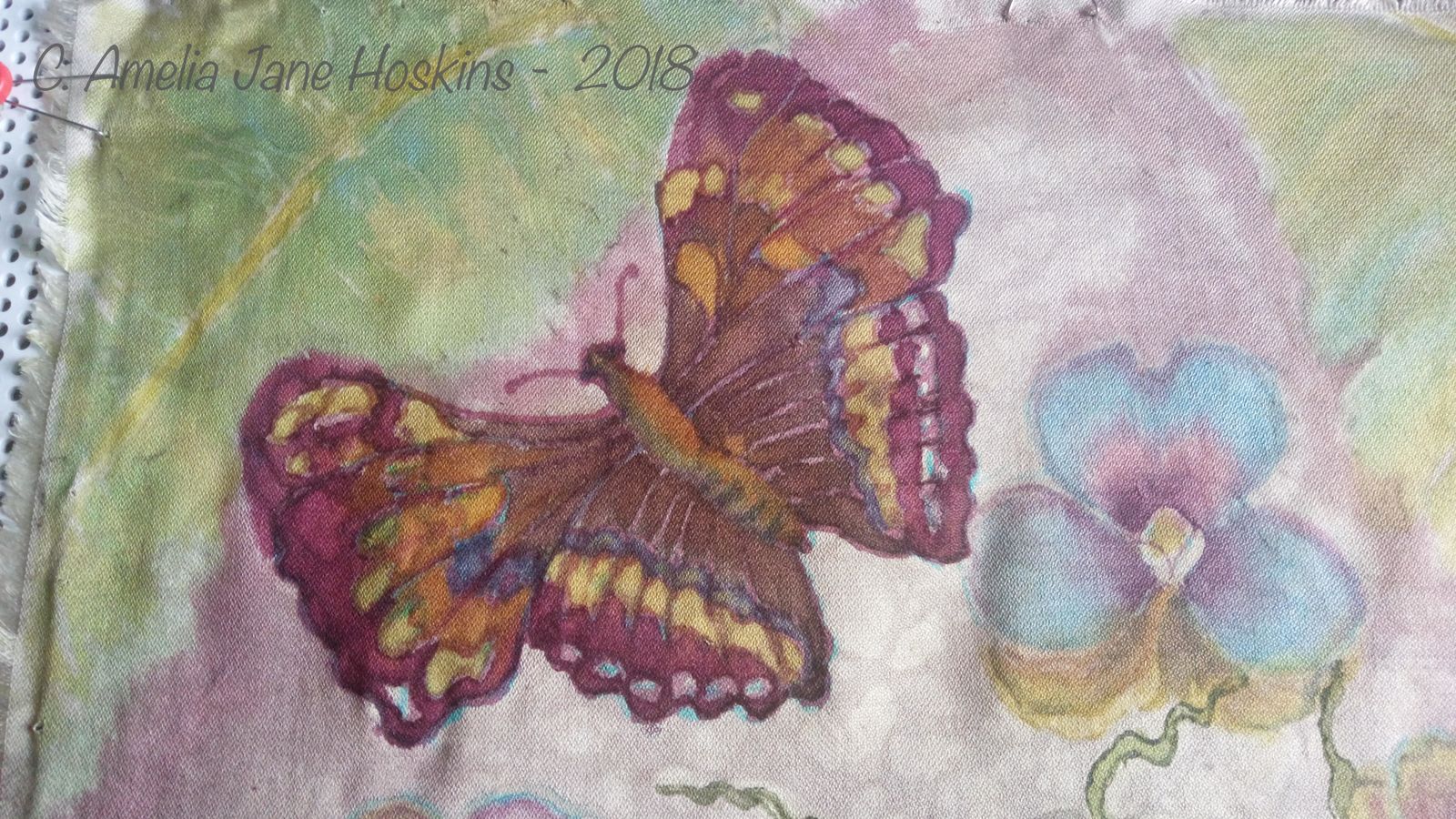
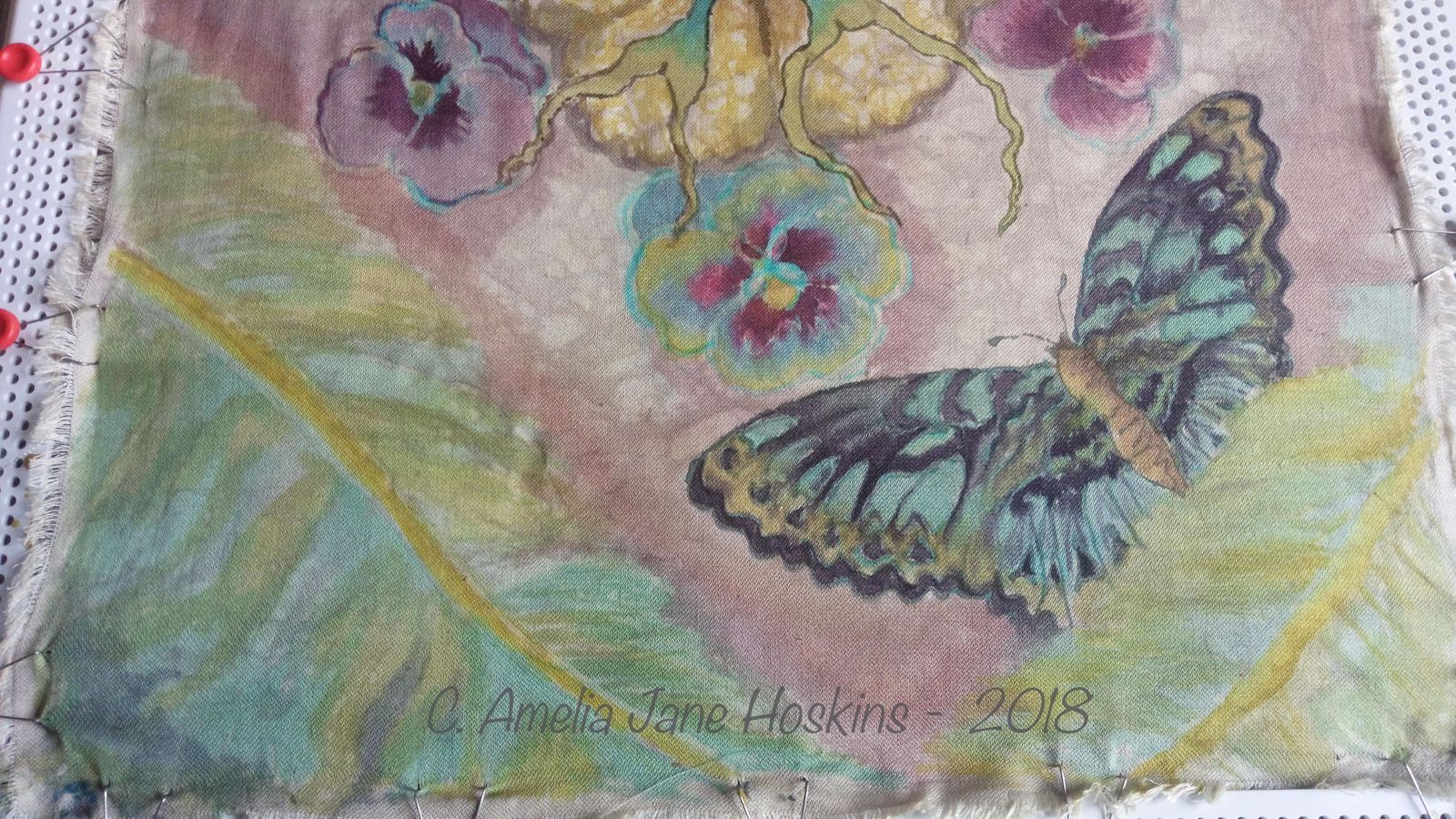
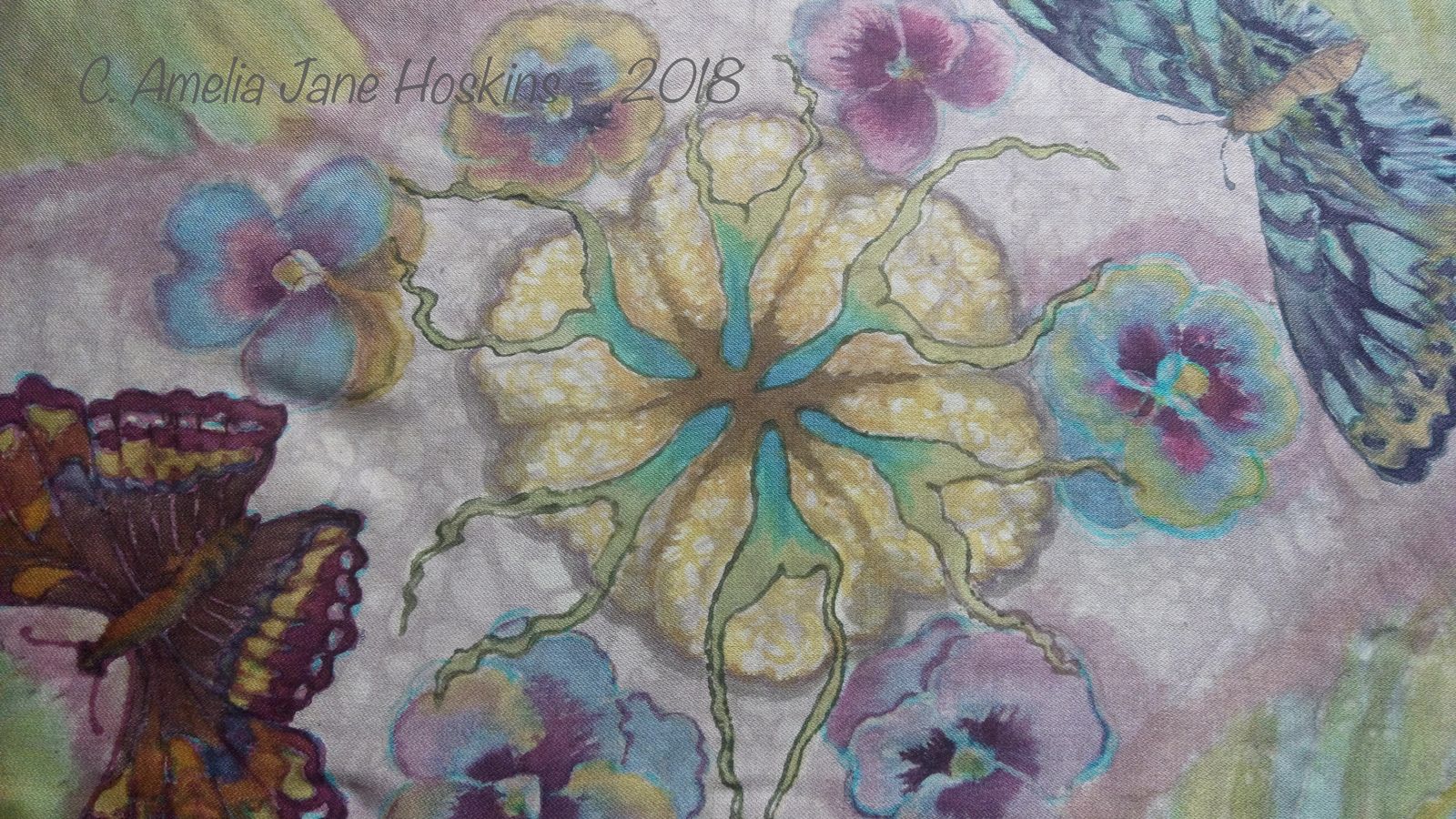
2nd Trial result produced a pleasant textured background to overpaint on.  Fabrics were chosen to coordinate, and use as a colour guide.

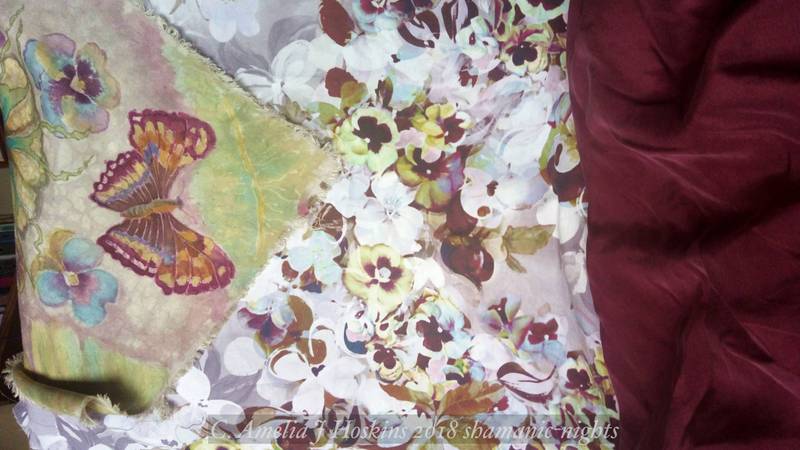
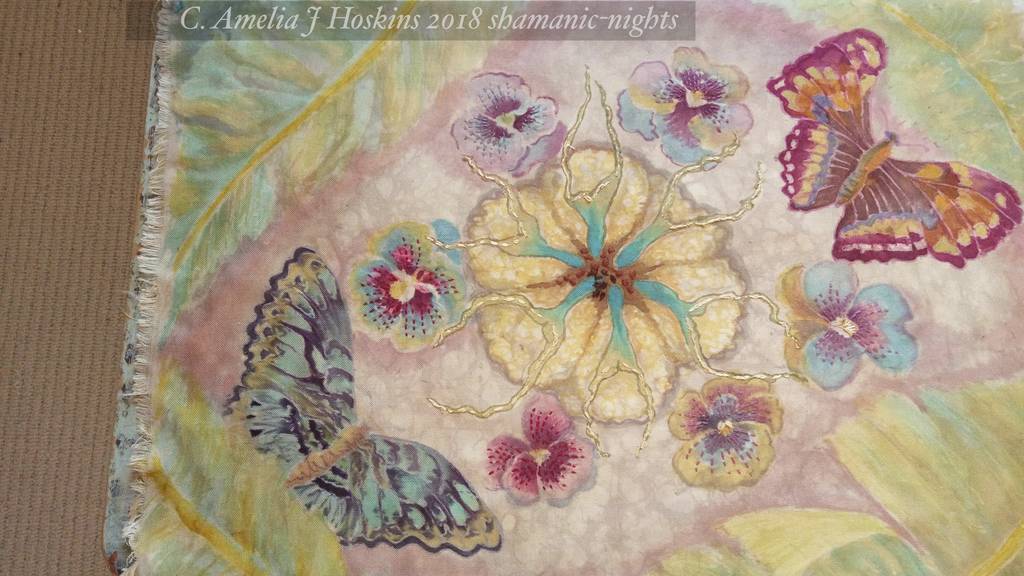
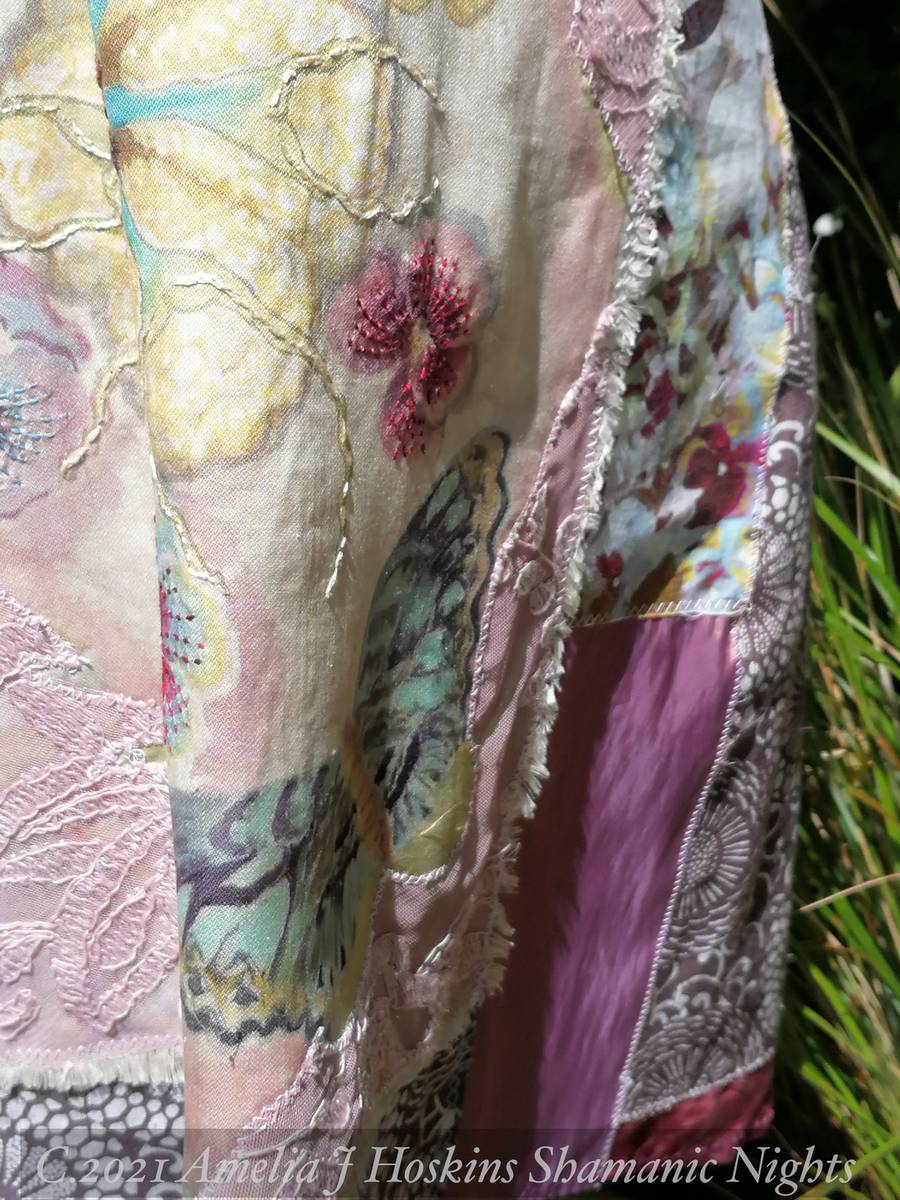
Rectangular design was a simple test with the batik, creating a usable textured background to over painting with brighter colours.  This rectangle was used in a dress Butterflies and Pansies  panel front.  Flowers were also embroidered.

Images copyright Amelia Jane Hoskins Please email for use permission.